
The Essential Guide to Body Butter: What Dermatologists Want You to Know About Moisturizing
September 6, 2026
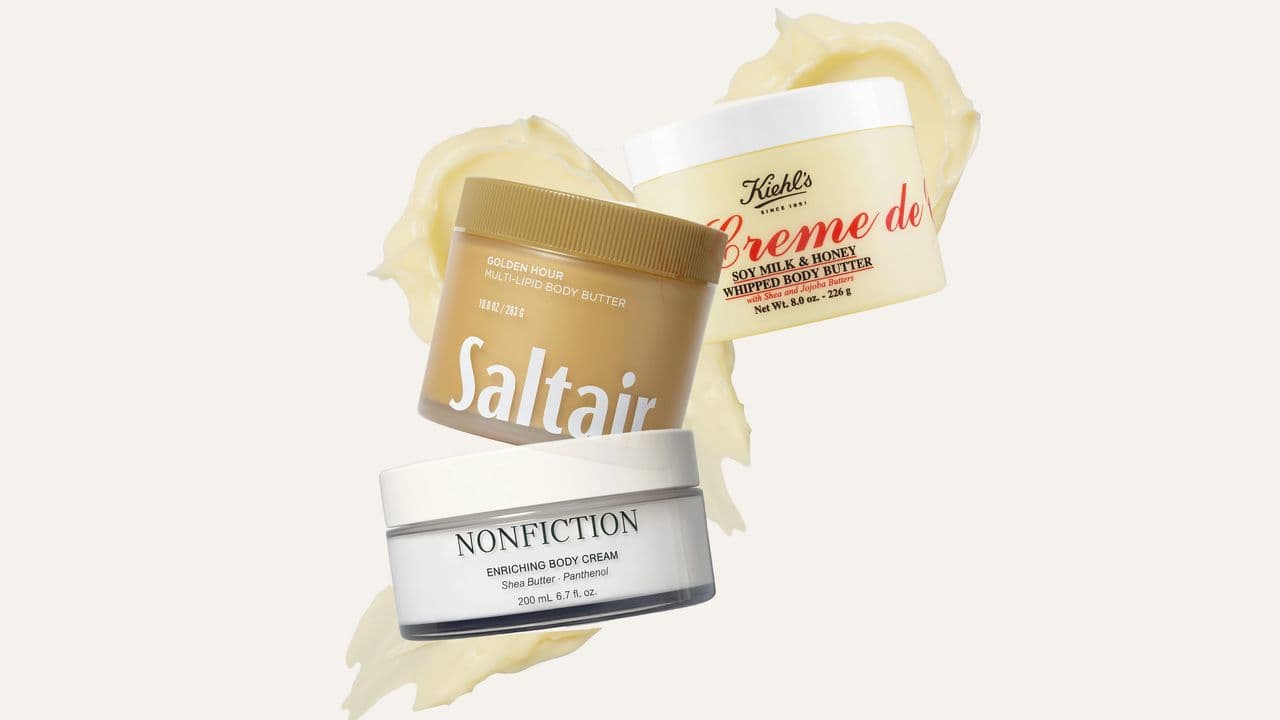
Understanding Moisture Loss and the Skin Barrier
The skin functions as a protective shield for the tissues beneath it, safeguarding internal organs against infections and irritants, according to board-certified dermatologist Corey L. Hartman, MD, based in Birmingham, Alabama. When the skin loses moisture and experiences stress that compromises its protective function, the result is an increase in transepidermal water loss. This disruption leads to conditions characterized by skin dryness and irritation. Simply put, neglecting to moisturize your face and body makes you more susceptible to flaking, itching, and other forms of skin barrier irritation.
Who Benefits Most From Body Butter
According to dermatological consensus, individuals with very dry skin stand to gain the most benefit from body butter. Dr. Hartman characterizes body butter as a concentrated, anhydrous iteration of body lotion that delivers superior hydration. During the colder winter season, when skin tends to become drier, individuals across all skin types may find value in incorporating a richer formula into their routine. Body butter proves particularly beneficial for those using cleansers formulated with potentially drying components, such as exfoliating acids, retinoid compounds, and salicylic acid derivatives.
Key Ingredients to Prioritize
When selecting a body butter, dermatologists recommend seeking out time-tested hydrating ingredients. Dr. Hartman highlights shea butter, cocoa butter, and plant-based oils including coconut and avocado as particularly effective options. Vitamin E also deserves attention for its ability to soften skin and reinforce the skin's natural moisture barrier. Many leading body butter formulations feature shea butter as a primary ingredient due to its richness as an emollient and its capacity to heal compromised skin through its composition of vitamins A, E, and F. It remains equally important to steer clear of ingredients known to strip moisture from skin, including alcohol and witch hazel products.
Meet the Experts
Corey L. Hartman, MD, a board-certified dermatologist based in Birmingham, Alabama
Julie E. Russak, MD, a board-certified dermatologist based in New York City
Sejal Shah, MD, a board-certified dermatologist based in New York City
Optimal Application Timing and Technique
The lack of water content in body butter formulations means timing matters significantly in your skincare regimen. Board-certified dermatologist Julie E. Russak, MD, practicing in New York City, advises that the ideal window for application comes immediately after showering while skin remains damp. The recommended process involves gently patting skin until mostly dry, then applying body butter while moisture still lingers on the surface. Focus application on areas prone to roughness and dryness, including the feet, hands, ankles, and elbows. This technique effectively seals in hydration gained during your shower, minimizes transepidermal water loss, and supports the restoration of your skin's protective barrier.
Body Butter and Aging Skin
While body butter provides advantages at any life stage, it proves especially valuable for addressing skin changes that accompany aging. As people get older, the skin naturally decreases oil production, becomes thinner, and loses its capacity to maintain hydration levels. These physiological shifts frequently manifest as dryness, textural roughness, and a creped appearance. An intensive moisturizing formula that penetrates deeply into skin while simultaneously protecting its outer layer—precisely the type of formula found in body butters—can effectively address these concerns. While body butters cannot reverse the aging process itself, they demonstrate the ability to enhance the appearance of dry, aged skin and can temporarily reduce the visibility of fine lines that result from dehydration.
How Products Are Evaluated
Allure's evaluation process for body butters encompasses careful examination from multiple perspectives. The editorial team reviews ingredient compositions, evaluates brand assertions against available evidence, and consults peer-reviewed scientific and medical literature when applicable. Each product included in recommendations undergoes comprehensive testing by the editorial staff, which includes both full-time writers and editors as well as freelance contributors. The evaluation process also incorporates input from field experts in dermatology, cosmetic chemistry, and medicine who assist in assessing ingredient quality and formula performance.
The assessment framework considers five essential performance dimensions: the quality and effectiveness of product ingredients, design and functionality of packaging, fragrance profile, texture characteristics, and overall product longevity. Products that excel across all categories receive selection by the editorial team, with additional consideration from dermatological advisors. Allure maintains detailed documentation of its complete testing methodology and reporting standards for reader reference.
The Importance of Diverse Testing Perspectives
Beauty products represent individual purchasing decisions based on unique needs and preferences. Whether seeking a moisturizer for persistent facial dryness, exploring new nail care options for self-care rituals, or investigating recent product launches in the hair category, readers benefit from recommendations grounded in diverse perspectives. To ensure recommendations truly serve all consumers, Allure maintains a team composition that includes varied ages, skin tones, hair textures, gender identities, and cultural backgrounds. This diversity extends to the outside testers and industry specialists regularly consulted for product evaluation.
The reasoning behind this approach is straightforward: reliable assessments of skincare products benefit from testing input beyond a narrow demographic. A product marketed as ideal for mature skin over 50 gains credibility only when evaluated by testers across various age groups. Similarly, assessing premium styling products requires feedback from individuals with different curl patterns and textures. The editorial team takes pride in its composition across these multiple dimensions, enabling fair and comprehensive evaluation of any beauty product that enters consideration.