The Killing of Charlie Kirk: What We Know So Far
September 12, 2025
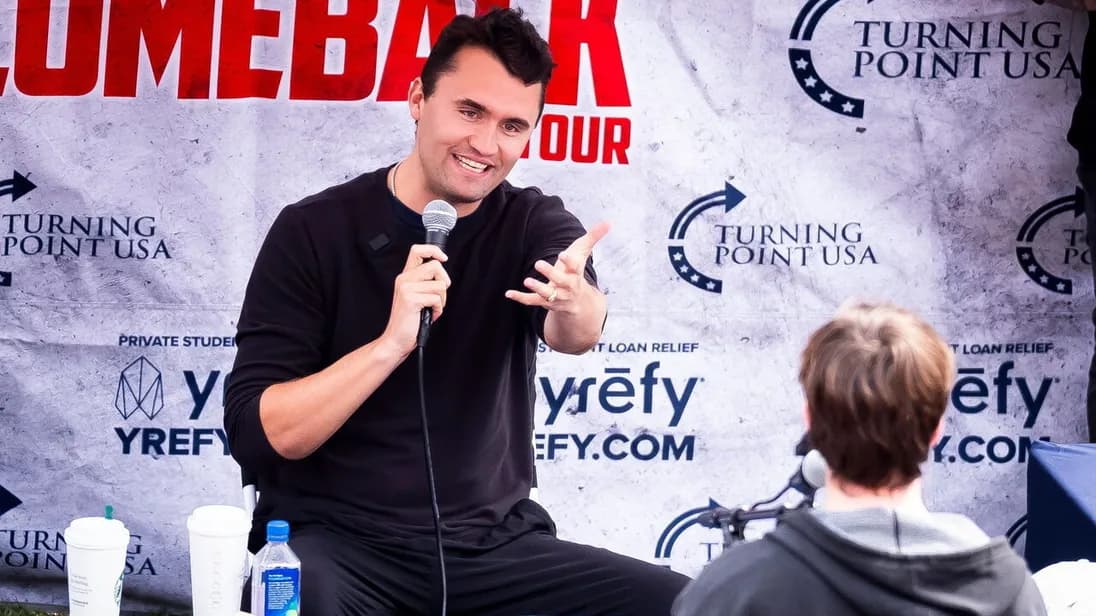
The midday sun cast long shadows across Utah Valley University's courtyard on September 10, 2025, as thousands gathered to hear Charlie Kirk speak. The event, billed as part of his "American Comeback Tour," had drawn students, community members, and supporters eager to see one of the most recognizable figures in conservative youth activism. Kirk, who had built a national profile through Turning Point USA and years of outspoken political advocacy, was only minutes into his remarks when tragedy struck. A single crack of a rifle echoed across the open-air plaza. Within seconds, panic spread. And before the day was over, Kirk would be pronounced dead at a nearby hospital.
Authorities later revealed that the fatal shot had been fired from the rooftop of a campus building overlooking the venue. The area had been set up as an outdoor stage surrounded by structures that created a bowl-shaped atmosphere, one that inadvertently offered an elevated vantage point for a gunman. Investigators determined that a high-powered bolt-action rifle had been used to fire the single round that struck Kirk in the neck. Witnesses described the chaos that followed—screams, people ducking for cover, and a frantic rush by security to shield the stage. Kirk was immediately rushed to Timpanogos Regional Hospital, but doctors were unable to save him. He was just thirty-one years old.
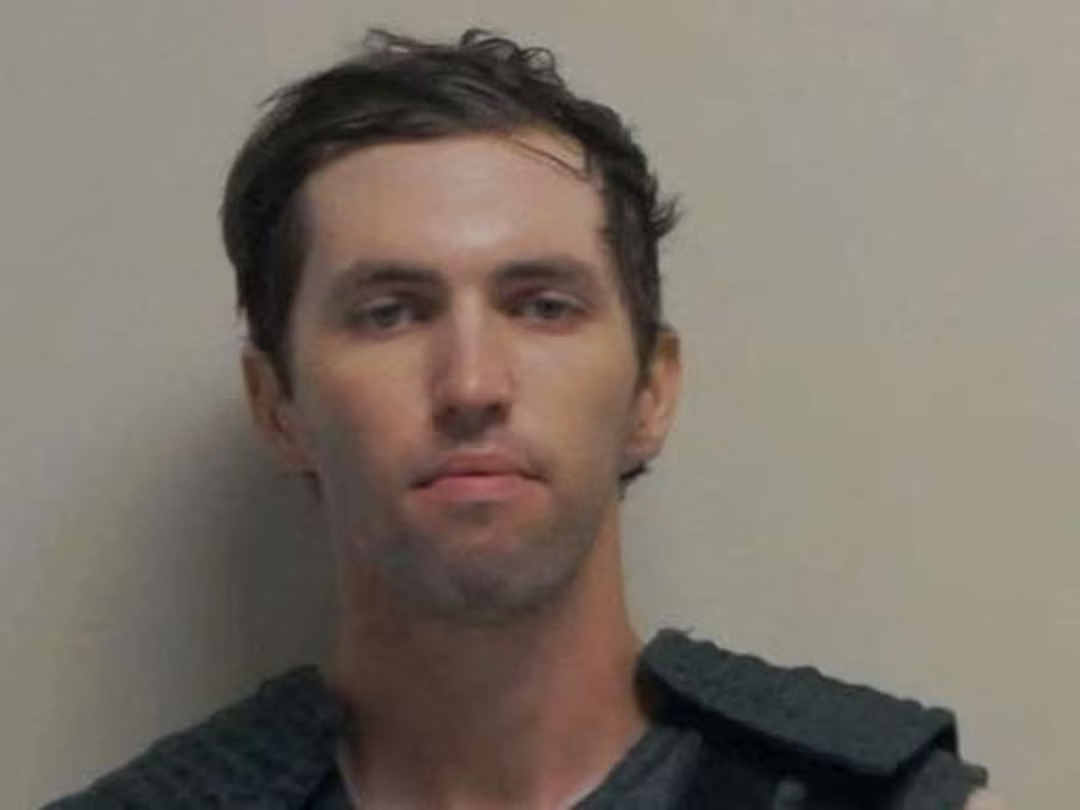
The man accused of firing that shot is 22-year-old Tyler James Robinson. According to law enforcement, Robinson had arrived at the university early that morning in a gray Dodge Challenger. Surveillance footage captured him moving across campus, later appearing on the rooftop from where the shot was fired. In the hours after the attack, police began combing through video evidence and forensic clues left behind. On the rooftop they discovered shoe impressions, a forearm imprint, and a palm print—pieces of evidence that would help build the case against him. Within just over a day, Robinson was in custody, arrested after his father identified him from images released to the public.
Prosecutors say the evidence against Robinson is substantial. Investigators allege he left behind a note describing his intent to kill Charlie Kirk and posted messages online that functioned as confessions. One series of exchanges on Discord reportedly referenced his plans and included his own admission of responsibility after the shooting. Other digital communications revealed an anger directed at Kirk over what Robinson viewed as anti-transgender positions, a potential motive that prosecutors now argue underscores the politically charged nature of the crime. Forensic experts also discovered bullets marked with inscriptions, shell casings, and other materials that prosecutors believe further tie Robinson to the killing.
As the investigation moved swiftly, the charges followed. Robinson now faces aggravated murder, the most serious charge under Utah law, as well as counts of felony firearm discharge, obstruction of justice, and witness tampering. State prosecutors have announced they will pursue the death penalty, citing both the premeditation of the crime and its high-profile nature. Robinson is being held without bail while awaiting trial. During preliminary hearings, a protective order was issued prohibiting him from contacting Erika Kirk, Charlie's widow, who has become the public face of her husband's grieving family.
The timeline pieced together by investigators paints a grim picture. Robinson is believed to have arrived on campus around 8:30 in the morning, scouting the area and setting up on the rooftop long before the event began. Roughly four hours later, as Kirk took the stage, Robinson fired a single round that ended the life of one of the most prominent conservative voices of his generation. The arrest came within thirty-three hours, after images from campus cameras circulated widely and Robinson's own family recognized him.
What remains uncertain are the deeper motivations and whether Robinson acted alone. Prosecutors continue to examine his communications, searching for evidence of any broader conspiracy or assistance. So far, investigators have highlighted his anger toward Kirk's rhetoric on social issues, but they have not ruled out the possibility of additional factors. For many, the case has raised pressing questions about campus security, particularly at high-profile events where well-known public figures are placed in open settings with limited protections. Critics have asked why no metal detectors or extensive screening procedures were in place, and how a rooftop with clear access to the event space was left unsecured.
The killing has sent shockwaves across the nation, drawing bipartisan condemnation of political violence and renewed debate about how to safeguard public figures in an era of deep division. Vigils have sprung up in multiple cities, from Utah to Washington, D.C., and even abroad. In Salt Lake City, hundreds gathered to light candles and pray, while in Phoenix and Chicago, memorials have honored Kirk's legacy as both a political activist and family man. Erika Kirk, his wife, has spoken only briefly since the tragedy, but her words have resonated: she has vowed to continue her husband's mission, even as she mourns his loss and cares for their two young children.
The next chapter will play out in the courts. Robinson is scheduled to appear again later this month, where prosecutors are expected to detail more evidence and formally set a path toward trial. Until then, the story remains one of national grief, unanswered questions, and a family left to carry on in the wake of unthinkable loss. Charlie Kirk's death has become not only a criminal case, but a stark reminder of the volatile climate surrounding America's public discourse—a climate where words, beliefs, and politics can collide with devastating consequence.
Originally reported by wire reports.