
What Actually Separates Lip Stains From Lip Tints—and How to Apply Them Right
September 30, 2026
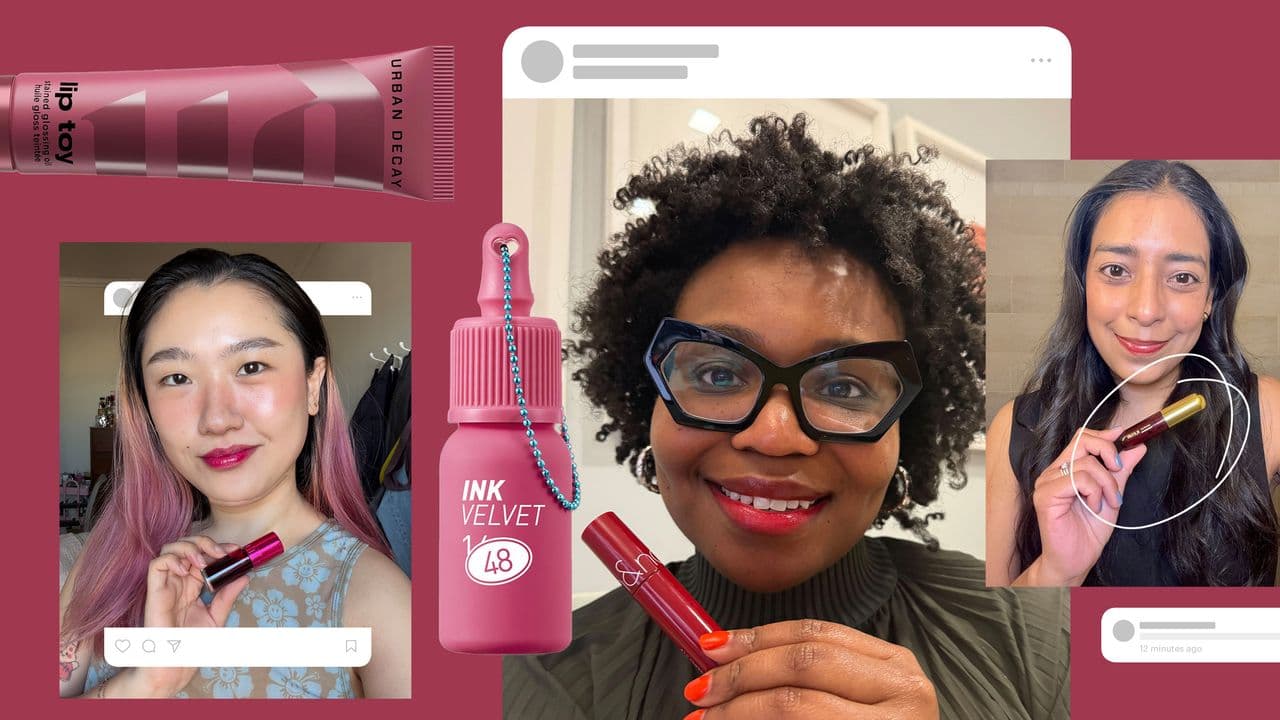
Lip Stains vs. Lip Tints: Is There Really a Difference?
The distinction between a lip stain and a lip tint largely boils down to branding rather than any fundamental chemical difference, according to cosmetic formulation expert Amanda Lam of Warwick, Rhode Island. "The formulations behind both products are typically identical and produce the same result—enduring color that adheres to the lips without full opacity—and they're constructed using water bases combined with pigments that dissolve in water," Lam explains.
Cosmetic chemist Kelly Dobos, who practices her craft in Cincinnati, Ohio, notes that the distinction between product categories can become blurred depending on how the formula is constructed. "The specific color compounds used in the formulation determine whether a product will actually stain the lips," Dobos states. "Therefore, lip balms, lip glosses, and traditional lipsticks can all deliver staining effects," contingent upon the concentration of pigmentation in their formulation.
Applying Lip Stain: A Step-by-Step Approach
Should your lips tend toward dryness, start by using a lip scrub to carefully remove dead skin cells and texture before application. "Using a lip mask or applying a subtle, colorless lip balm will help balance moisture across your lips' surface, setting the stage for an application that looks more polished," Claire advises. She further suggests employing a lip liner underneath, which can help the stain remain visible for longer.
When the moment comes to apply your chosen lip stain, Claire recommends starting at the center peak of your lips by drawing a "V" shape, then creating the same shape at the outer edges. Work a "U" motion toward your lip line's lower edge. Connect all these marks, complete the fill, and the application is done. To achieve a subdued, understated appearance, Los Angeles makeup professional Genevieve Garner suggests pressing the formula straight onto your lips with your fingertips. To get a deeper, more intense color payoff, Claire suggests applying directly from the container itself.
Meet the Experts
Andrea Claire, a Toronto-based makeup artist
Kelly Dobos, a Cincinnati, Ohio-based cosmetic chemist
Genevieve Garner, a Los Angeles-based makeup artist
Amanda Lam, a Warwick, Rhode Island-based cosmetic formulation chemist at DeWolf Chemical
Tonya Riner, a makeup artist based in Houston
Testing Standards and Methodology
Allure's evaluation process for lip stains takes into account numerous dimensions: What substances make up the formula? Does the company provide sufficient shade options that serve people with different skin undertones and complexions? Can people with delicate skin conditions or those wearing contact lenses safely use it? Is the retail price accessible or does it command a premium? Is the container thoughtfully made, or does it represent unnecessary waste?
For this particular analysis of top-performing lip stains, Allure worked alongside multiple members of its writing and editorial team, freelance contributors, and working makeup artists to assess and road-test each product. Participants wore the items for between four and eight hours throughout their day. This method guarantees diversity across the testing group in terms of complexion, gender identity, and skin condition. Products were assessed across four key performance dimensions: the quality and safety of the formula, how long the color lasts and how well it performs, the design and material of the packaging, and the breadth of available colors. More detail about Allure's review standards and process can be found on the publication's dedicated methodology page.
The importance of diversity in product testing cannot be overstated at Allure. The publication recognizes that beauty and personal care items are deeply individual choices. Readers may be seeking a moisturizer to combat chronic skin tightness, exploring a fresh nail lacquer to enhance their weekly self-care ritual, or simply discovering emerging releases in the haircare sector. Regardless of individual requirements or desires, Allure prioritizes ensuring that every product recommendation resonates with its readership. The team believes that assembling editors, writers, and contributors representing varied backgrounds, combined with the pool of external specialists and testers regularly engaged by the magazine, creates the foundation for genuinely inclusive recommendations.
After all, can a skincare treatment truly be called "best" for individuals over a certain age if the only people providing feedback are in their twenties? Is it reasonable to call an expensive hair diffuser worthwhile if nobody with textured curls has ever tested it? Allure's workplace reflects this philosophy, with personnel spanning different life stages, skin tones, curl patterns, gender identities, and life experiences. This diversity allows the team to fairly and thoroughly examine any beauty product that enters for consideration.