
Chemical Relaxers Stage a Comeback: Black Women Reconsidering Natural Hair
October 14, 2026
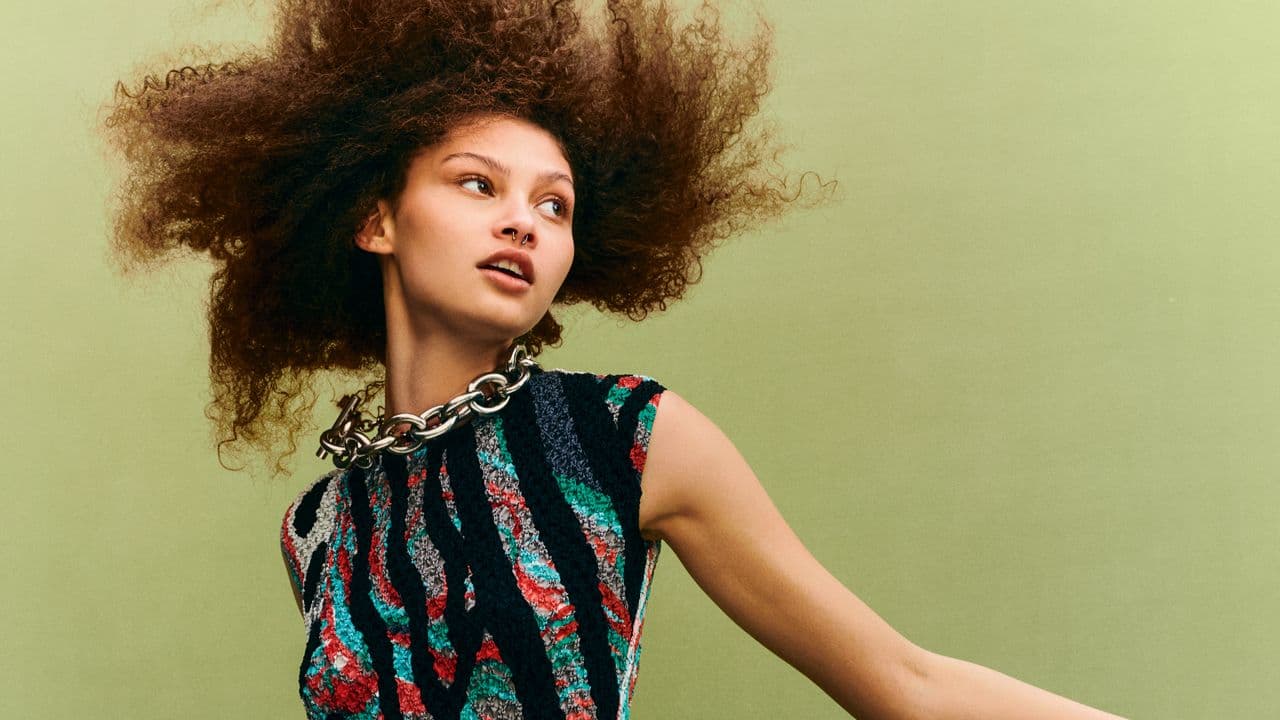
Chemical relaxers—creams used on hair that is naturally tightly curled and coiled, altering its texture so it stays straight permanently—dominated Black hair care for decades. Then the natural hair movement arrived. By the 2010s, more and more Black women were giving up relaxers in favor of their natural texture, stepping away from the long-standing practice of chemically straightening their hair—along with enduring the scalp burning they'd often been told to push through for “just five minutes longer.” Some opted for the “big chop,” removing all chemically treated hair to start growing it out fresh. Others, myself included, ditched the “creamy crack” mostly because of teenage laziness. Regardless of the reason, it briefly looked like relaxers were finished. Sales dropped sharply; during the peak of the natural hair movement—roughly 2011 through 2016—relaxer sales declined by 60%, prompting Forbes in 2022 to describe cream texturizers as nearing the “brink of extinction.” Straightened Afro hairstyles shifted from being the norm to feeling out of step with trends. Yet oddly enough, relaxers are making a comeback.
Zateesha Barbour, a celebrity hairstylist based in London, has observed this trend among her own clients, and the explanations they give tend to be simple. “My clients who ask for relaxers say they don’t care [about the health risks],” she says. “Most people are like, ‘I just want my hair straight. Why does [the decision] have to be so difficult? Why do I have to think about things that other people don’t have to think about?’”
Why are so many Black women returning to hair relaxers?
Charlotte Mensah, a renowned hairstylist who recently marked 40 years in the hair industry, has noticed a comparable shift, which she largely attributes to natural-hair fatigue. “What I’m seeing is that some people are simply exhausted by the amount of time, products, and manipulation they’ve come to associate with maintaining natural hair,” she says. “Deep conditioning, layering multiple products, long wash days, and daily styling can become overwhelming.” But, she counters, “natural hair itself isn’t the problem. Often it’s the routine that has become too complicated. Hair care shouldn’t feel like a burden.”
There's a notable coincidence in timing: relaxers seem to be making a comeback right as chemical straighteners face growing concern over what they might do to people's health. L’Oréal was recently sued by Arizona, which claims the company didn't properly caution consumers about dangers tied to certain chemical hair relaxers—dangers the lawsuit connects to uterine cancer, fibroids, and various other reproductive-health issues. Meanwhile in the UK, World Afro Day released a significant report last month, "Afro Hair: Is State Intervention Needed?," produced alongside the research firm Shift Insight, which looked into health disparities and social inequities tied to Afro-textured hair. The report found that 84% of those surveyed agreed trusting the ingredients in their hair products mattered a great deal, and a third of respondents with Afro-textured hair reported that hair products had harmed their physical health.
Despite the lawsuits and health warnings, chemical-relaxer kits are still easy to find in beauty shops and online. Sharon Belmo, MD, a leading dermatologist and hair-loss specialist, says this is largely a result of the regulatory context these products fall under. “Relaxers sold in the UK are regulated as cosmetics,” she says. “They must undergo product safety assessments, meet ingredient limits and labeling requirements, etc., and serious side effects must be reported like other cosmetics.” Still, as Belmo notes, “This does not prevent burns or other side effects from improper use.” She also pushes back on common assumptions about alternative formulations: “Lye-free relaxers, such as guanidine hydroxide, lithium hydroxide, or ammonium thioglycolate, are often felt to be gentler and may sting less, but like lye (sodium hydroxide) relaxers, they are still highly alkaline and can burn the scalp and weaken the hair. I do not believe, nor do we have the evidence to prove, that they are inherently safer for the scalp.”
Given this level of scrutiny, why are some Black women returning to relaxers?
Are hair relaxers still the practical choice?
Andree Marie, celebrity hairstylist and founder of London’s Andree Marie Salon, who has styled numerous celebrities including Tems and Burna Boy, doesn’t think there’s one explanation. Trends play a role—especially the comeback of short ’90s styles like the pixie cut recently worn by Zendaya—but everyday realities matter just as much.
“I think a lot of women just want to have fun with their hair,” Marie says. “This new rise of relaxers has definitely also been influenced heavily by how popular pixie cuts have become again, with so many people wanting a ’90s pixie or a Bixie.”
Practical considerations come up too, she notes. "A lot of people have genuinely tried natural hair and decided a relaxer fits their lifestyle. Some Black women are going back to relaxers when they hit menopause and can no longer handle the fact that their hair begins reverting [from straight back to coiled]," she explains. Menopause-related hormonal changes, she adds, can alter curl pattern, density, and moisture retention, leaving natural textures less manageable. "Or some go hard at the gym and want ease," Marie adds, pointing to the hassle of a silk press losing its shape from sweat or the hours needed to restyle coiled hair following each workout.
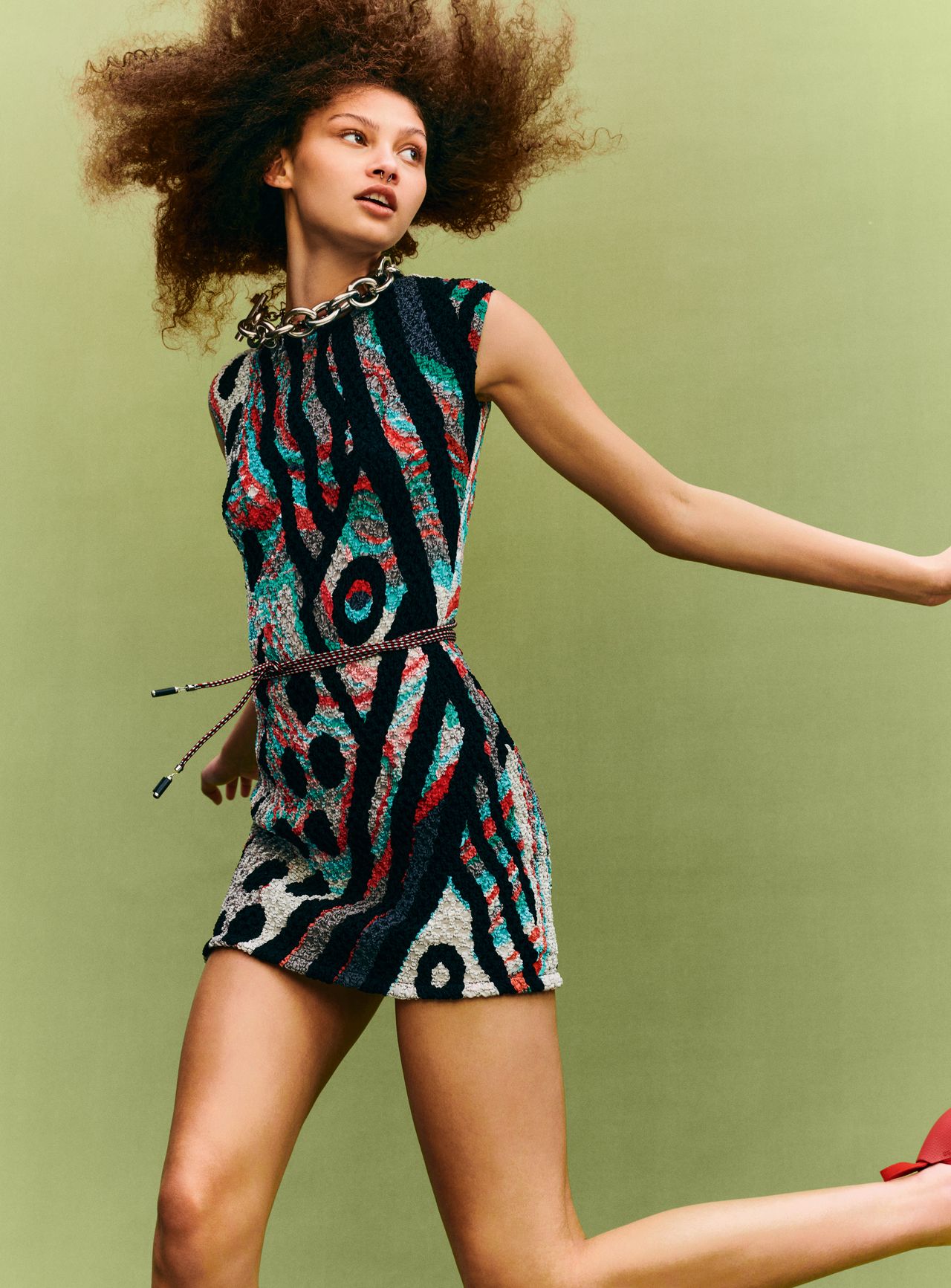
The trade-off between convenience and risk turns out to be more complicated than it appears. According to the same World Afro Day report mentioned earlier, 42 percent of Black respondents said they had avoided or skipped exercise due to concerns about maintaining their hair, a rate over three times higher than that of people without Afro-textured hair.
Discrimination is also part of the picture. The same report found that 76% of Black women reported facing negative bias at work for wearing their hair naturally, and 64% said that hair discrimination had held back their career advancement. With this context in mind, what may appear to be a straightforward grooming choice can turn out to be far more complex. It seems social media is reflecting this shift as well, as #RelaxerTok has racked up hundreds of millions of views, with a new generation openly sharing their experiences using or returning to chemically straightened hair.
So does this point to increased autonomy over hair choices, or a subtle return to Eurocentric beauty ideals? According to Marie, it could be both. “Some Black women are pressured because of work and some just don’t care anymore; they feel they have tried it all and simply prefer a relaxer.”
Mensah hesitates to turn personal hair decisions into broad cultural narratives. “We have to be careful not to assume that every Black woman who chooses straight hair is rejecting her natural texture or responding to Eurocentric beauty standards,” she says. “Clients want options and the freedom to decide what works for their individual needs, their lifestyle, and how they want to present themselves.” Although Mensah readily admits that beauty standards continue to shape everyone, and that this is a conversation worth having, she insists “so is personal autonomy.”
Even so, certain hairstylists have taken a clear position against relaxers, moving away from chemical treatments entirely. Michelle Sultan, a celebrity hairstylist and texture expert, has spent years advocating for healthy, chemical-free styling, gradually letting relaxers disappear from her salon. “Historically, a lot of women have relaxed their hair because it was presented as the most practical route to manageability,” Sultan notes. “For me, it always starts with conversation; my role is to show clients that manageability doesn’t necessarily have to mean permanently changing the structure of their hair. Technology has moved on enormously. We now have incredible tools, products, treatments, and styling techniques that allow us to work with texture, rather than automatically feeling that we need to remove it.”
For Sultan, this topic hits close to home. “I have suffered with fibroids,” she reveals. “I cannot say, and would never suggest, that my fibroids were caused by the years in which I personally used chemical relaxers. However, having gone through that experience myself and being aware of the wider conversations and research around women’s health and exposure to certain hair products, it isn’t something I take lightly when I’m advising another woman.”
Setting aside personal preference and lifestyle, Belmo emphasizes the need to examine what lies beneath the surface—the hair shaft, scalp, and hair follicle. “Chemical relaxers are highly alkaline agents that break down strong disulfide bonds in the hair by a process called lanthionisation,” she explains. “While the broken bonds give the hair a new straight shape, this breakage also causes damaged cuticles and weakened hair strands that are more prone to breakage.”
Are hair relaxers safe?
According to Belmo, relaxers carry primary dermatological risks largely tied to their high alkalinity (pH 10–14), which she identifies as “scalp itch and irritation, chemical burns, irritant contact dermatitis, hair loss, and change in hair color.” When it comes to systemic health concerns and the high-profile litigation connecting chemical relaxers to uterine cancer and fibroids through possible endocrine-disrupting chemicals, Belmo offers a balanced take: “The cancer data is concerning but not conclusive,” she cautions. “The key study is the Sister Study, published in 2022. This showed that women who self-reported using relaxers more than four times a year in the previous year had a higher incidence of uterine cancers in comparison to women that were not using relaxers (4% versus 1.6%, respectively). This study also found a higher incidence of fibroids in women who used relaxers more frequently and reported more scalp burns. It is felt that perhaps the broken skin barrier aids further absorption of the relaxer.” Still, she makes clear that although “relaxers have been shown to contain endocrine-disrupting chemicals, we do not yet have robust studies confirming that they cause uterine cancers, nor do we know which ingredient might be responsible or at what dose.” In the end, she says more studies are needed.
Even with these open questions, many women keep relaxing their hair, and Belmo stresses a practical, empathetic approach centered on harm reduction. “I know natural hair is not for everyone and understand that many women, including many of my patients, choose to relax their hair,” she says. “I often recommend changes to try to reduce the risks, such as always going to a professional hairstylist, reducing frequency of touch-ups, treating new growth only, coating the scalp with a barrier cream before applying the relaxer, never accepting burning, and neutralizing thoroughly. I also advise against relaxing when there is scalp inflammation, which I see and treat a lot, and avoiding scratching the scalp prior to relaxing—to avoid increased absorption and chances of scalp burns.”
The resurgence of relaxers could easily be written off as a form of cultural regression, and plenty would make that case. Still, despite the purported health risks, it's hard to overlook the social dynamics pushing Black women to balance personal convenience against systemic pressure and end up choosing relaxers anyway. With 76% of Black women encountering workplace discrimination for wearing their hair naturally, opting for a relaxer or texture release can become a way of claiming daily autonomy in a setting that rarely grants it.
Black women will keep facing these intricate trade-offs until legislative action sufficiently tackles hair discrimination and clear safety regulations are put in place.
Curious about a beauty or wellness trend? Let us know! Email Vogue's senior beauty and wellness editor at beauty@vogue.com.