
New York's Fashion Week Comeback: Why The Freak Flag Still Flies
September 18, 2026

Having attended fashion week for well over a decade, I've accumulated the predictable professional hazards that come with the territory—an inexplicable anxiety about presentations commencing nearly an hour behind schedule, an encyclopedic familiarity with footwear durable enough to withstand 20,000 steps (despite perpetually choosing the wrong pair), and a habit of skipping meals and bathroom breaks at inopportune moments. Remarkably, New York Fashion Week had eluded me until this season.
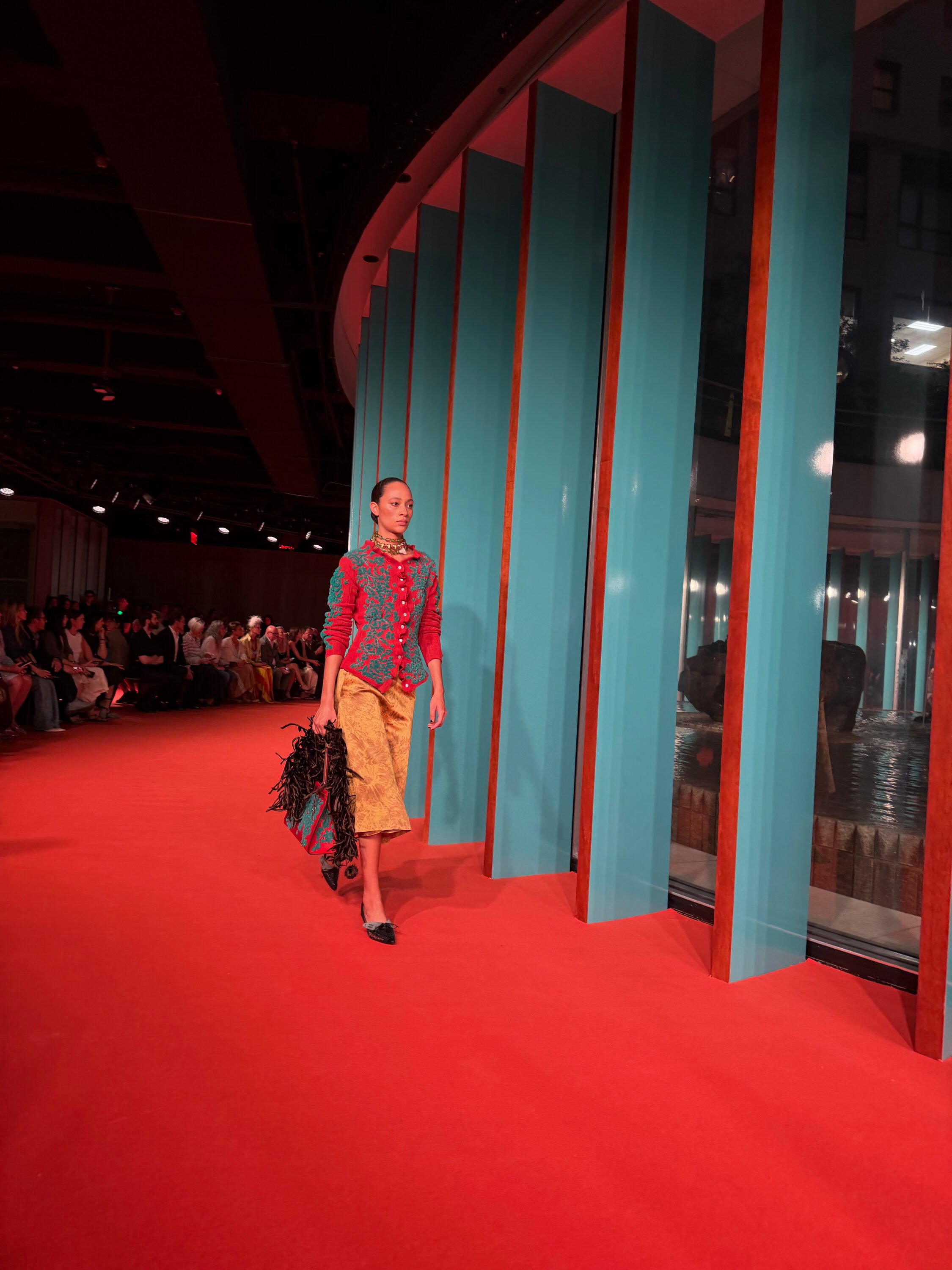
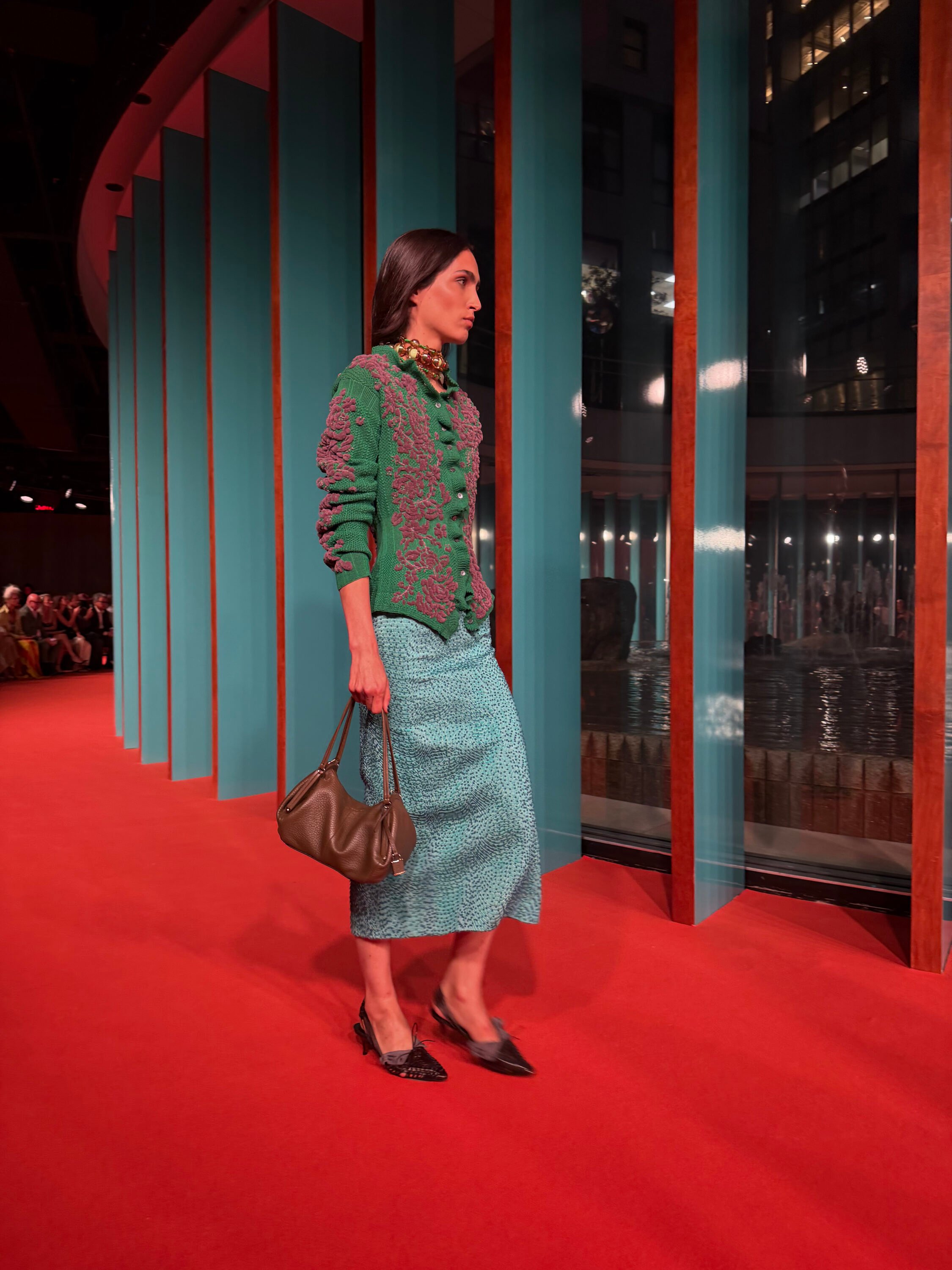
Throughout the years, NYFW has developed a somewhat stubborn negative narrative. The familiar refrain suggests that prominent designers have departed, London boasts CSM talent, Paris commands the spotlight, Milan controls the purse strings, and New York remains... what exactly? Quite a lot, as this season demonstrated. I attended partly for professional reasons and partly out of curiosity regarding whether New York Fashion Week truly warranted its reputation for struggling.
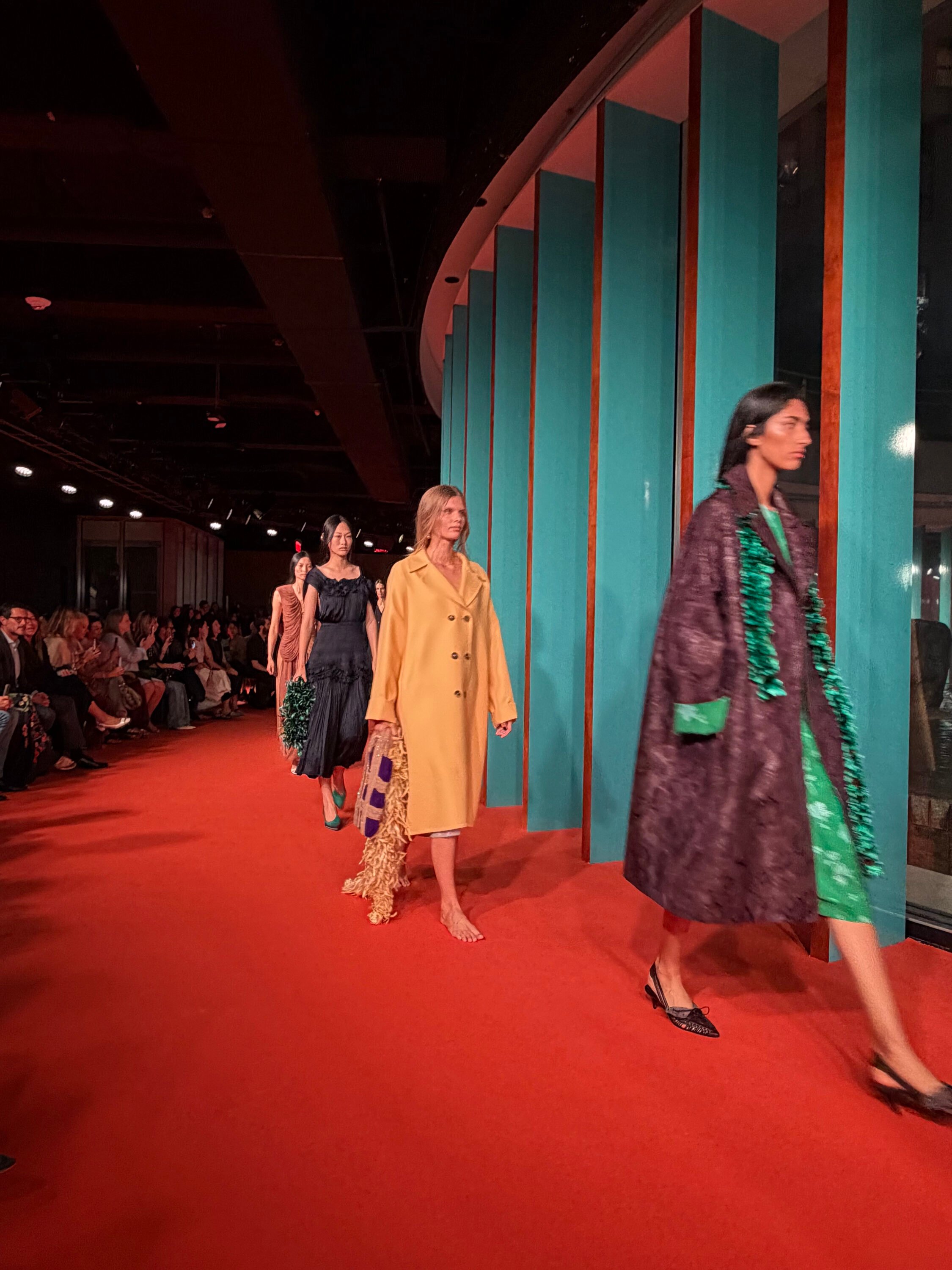
The history of New York Fashion Week reflects a pattern of constant reinvention. Eleanor Lambert established Press Week in 1943 when wartime circumstances prevented editors from accessing Paris; decades later in 1998, Helmut Lang relocated to New York and chose to present ahead of European collections, with Calvin Klein and Donna Karan following this lead. New York essentially repositioned itself in the fashion calendar hierarchy, fundamentally altering the traditional structure of fashion month. The city flourishes most when it stops comparing itself to other fashion centers and instead embraces its distinctive identity.
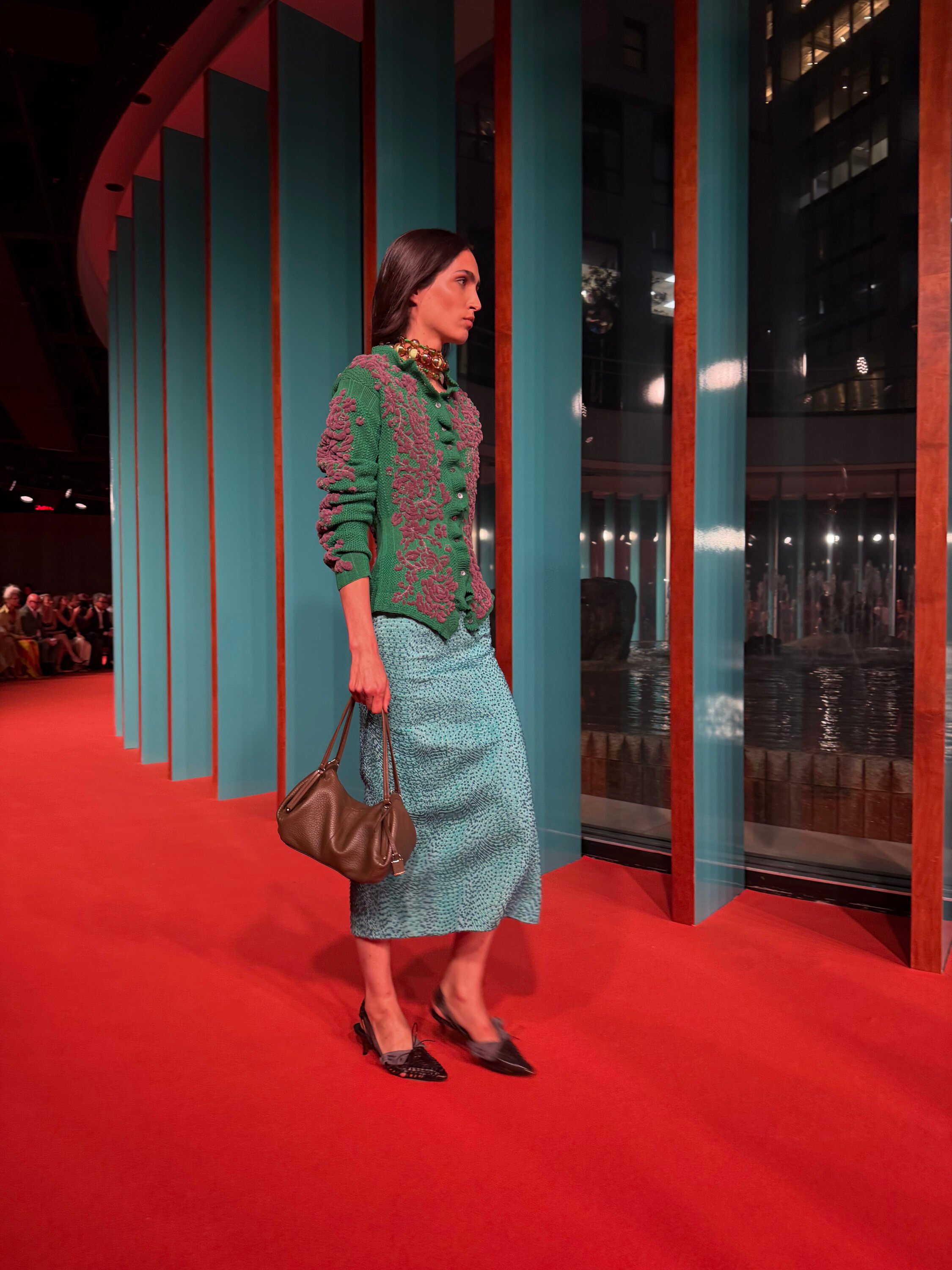
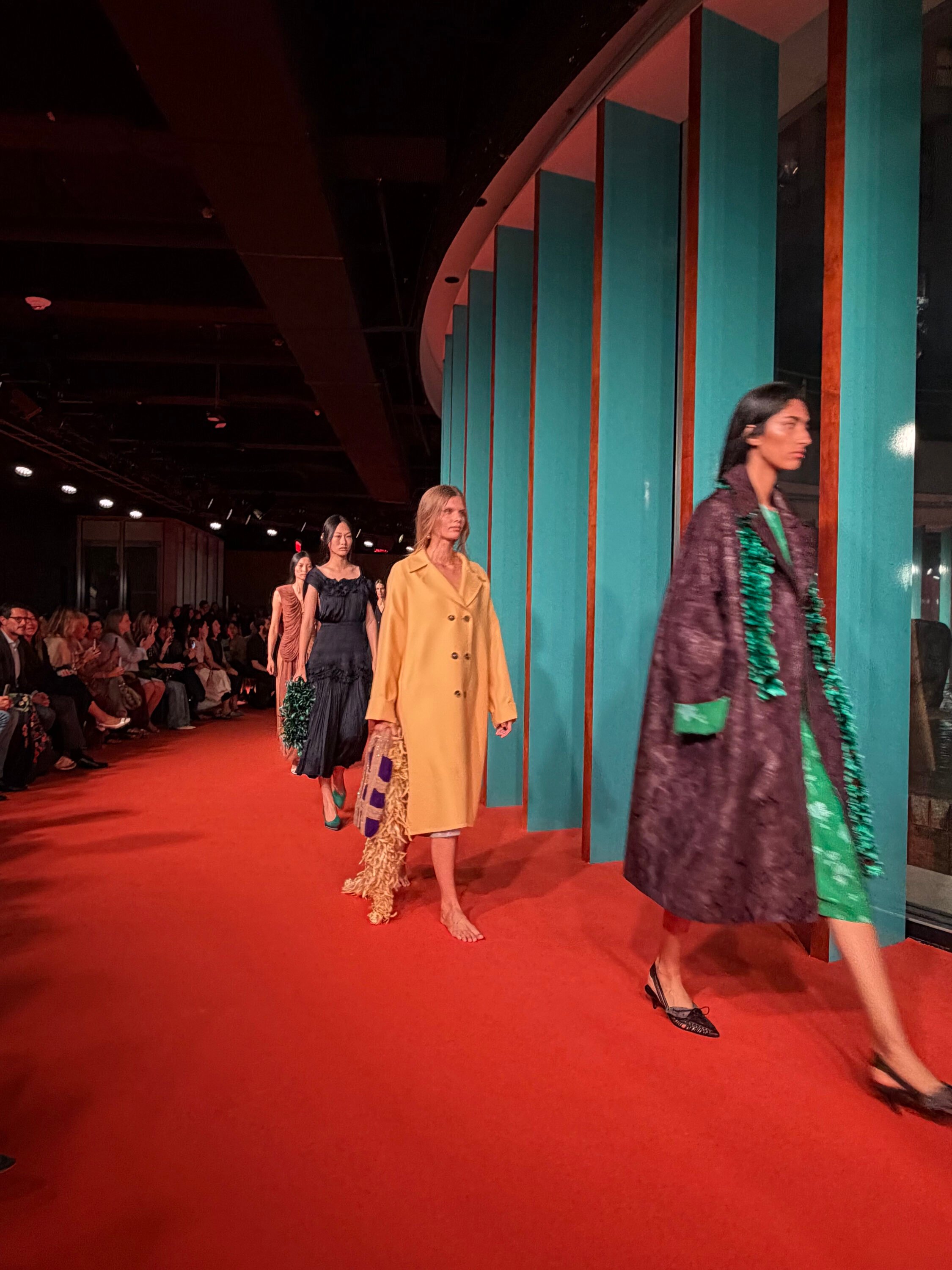
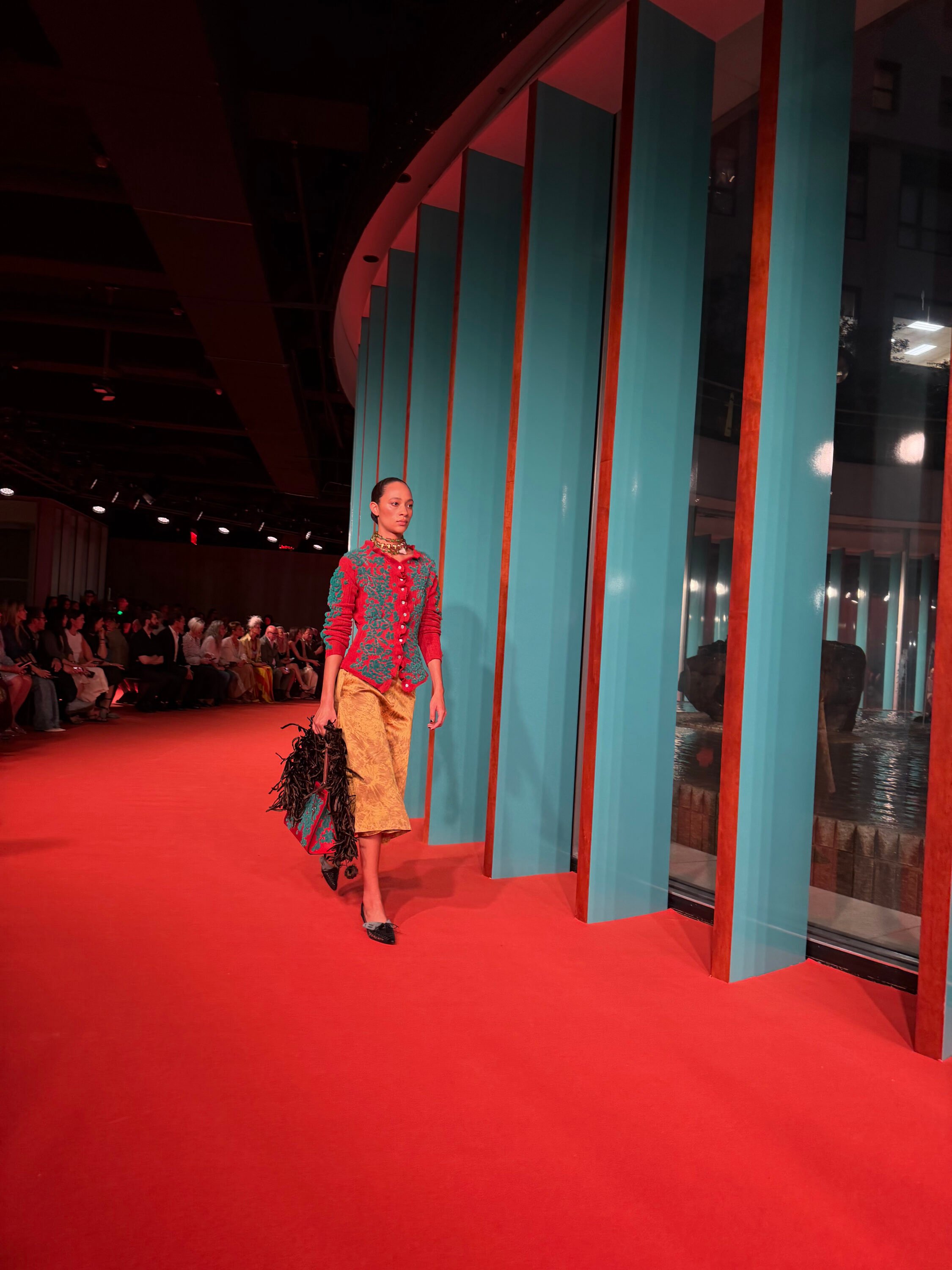
I arrived with my boyfriend Will, who adores New York but hadn't visited in fifteen years. We occupied the first portion of the week at the W in Midtown—which proved delightful—before relocating downtown to Nine Orchard. During my stay there, I shared an elevator with Rosalía and somehow managed to behave like a well-adjusted person who didn't demand a photograph together (shocking). The culinary experiences ranged from remarkable to excessive, with one unfortunate incident involving sushi that best remain attributed to an unnamed perpetrator for legal and retribution prevention reasons.
Regarding the actual fashion itself: the established powerhouses demonstrated they remain relevant. Ralph Lauren opened the week with the kind of self-assured American glamour that renders industry discussions about "brand codes" seem somewhat absurd; Michael Kors embraced modernist aesthetics at MoMA, accompanied by Nico's soundtrack; and Calvin Klein continued its trajectory under Veronica Leoni, who appears increasingly assured in distilling the house to its essential elements. Khaite maintained its consistent aesthetic. It's notably refreshing to encounter a fashion week that doesn't apologize for fashion's fundamental purpose—selling clothing.
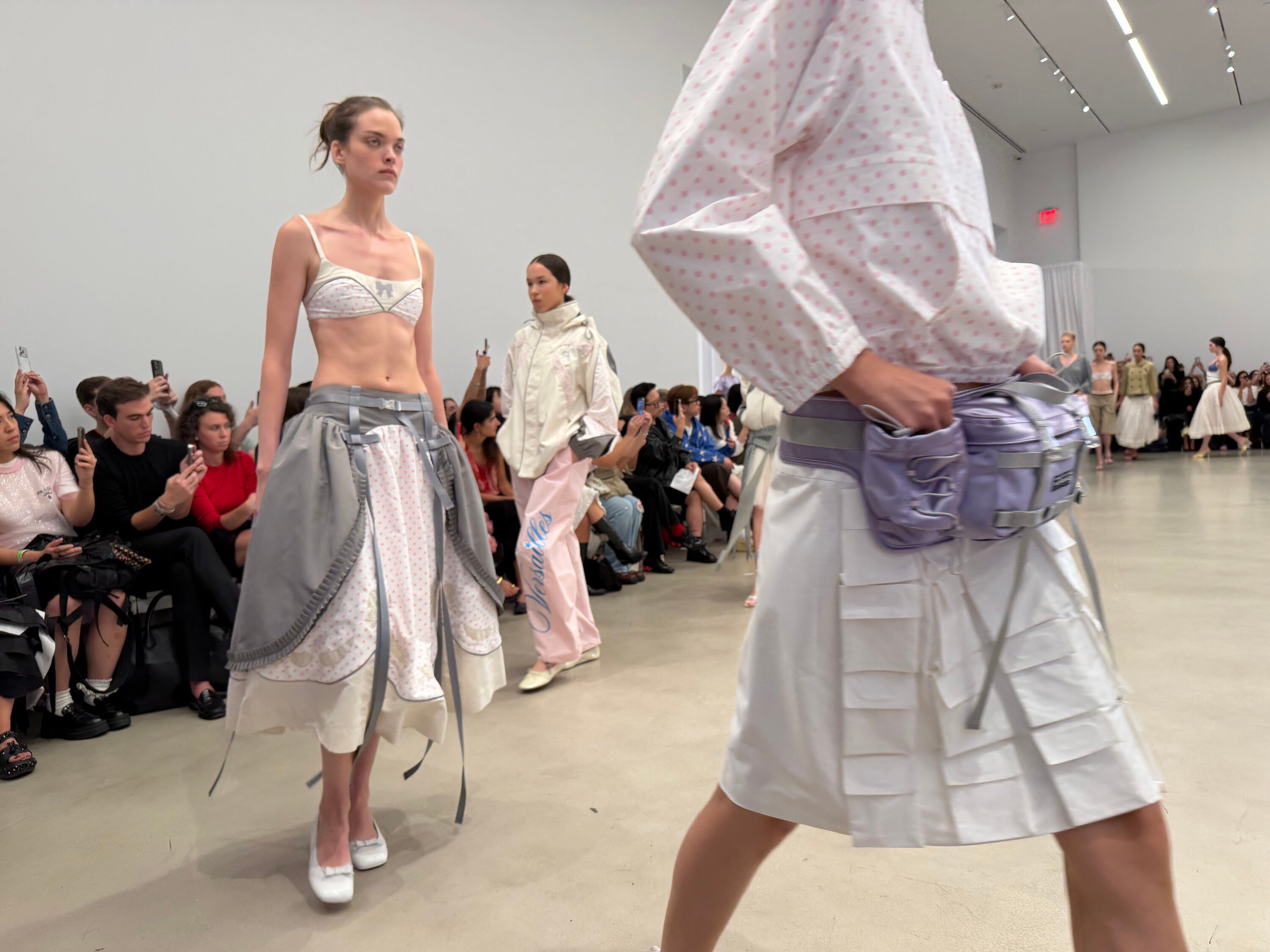
Among the larger New York labels, Tory Burch merits particular attention. This collection merged lavish materials with athletic silhouettes—featuring extraordinary textures and chromatic variations throughout—and when a scarf accidentally landed on the runway before me, I retrieved it to prevent a model's stumble, subsequently taking photographs with New York Magazine's Sam Hine. That's fashion reporting in action.
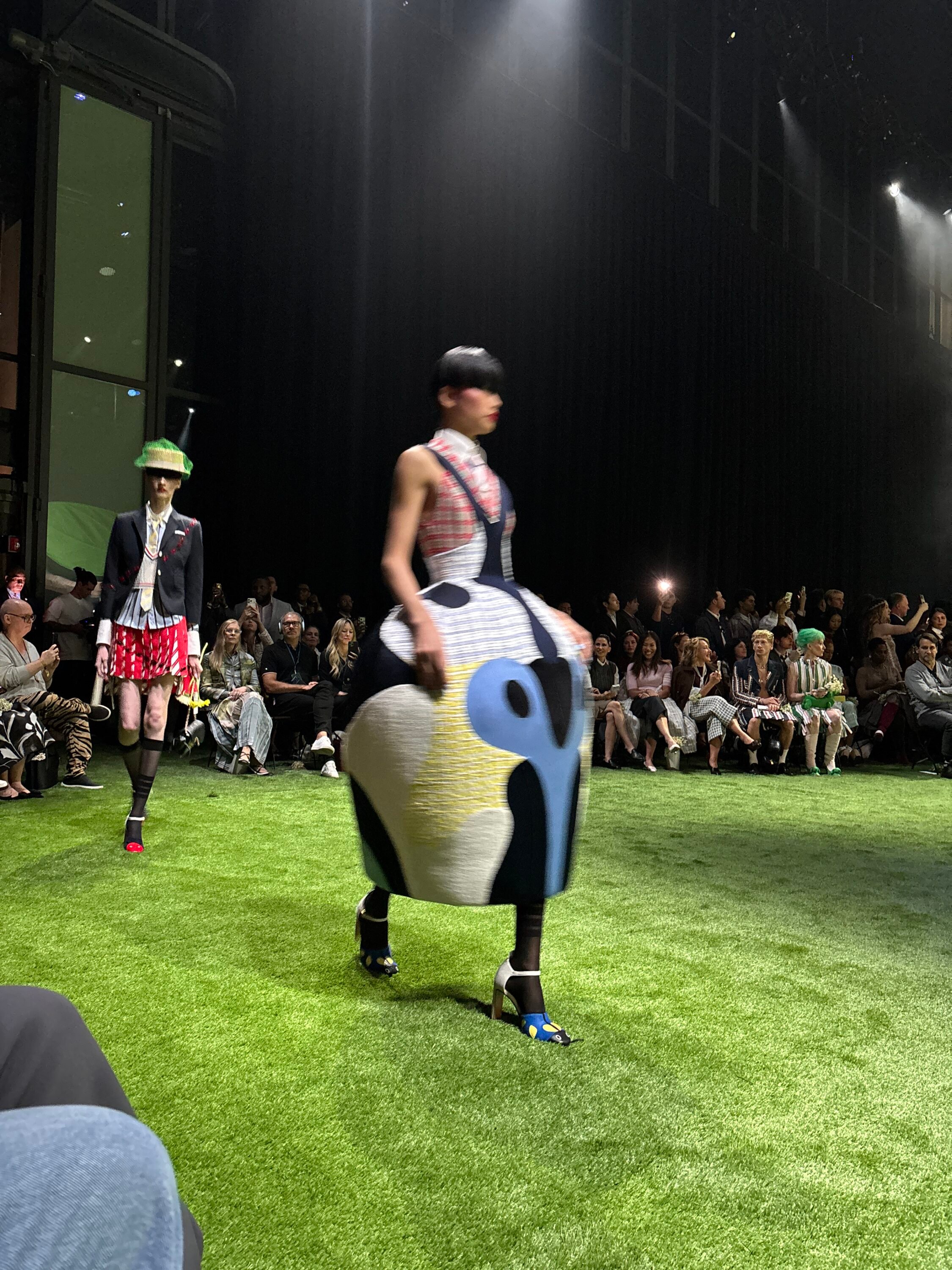
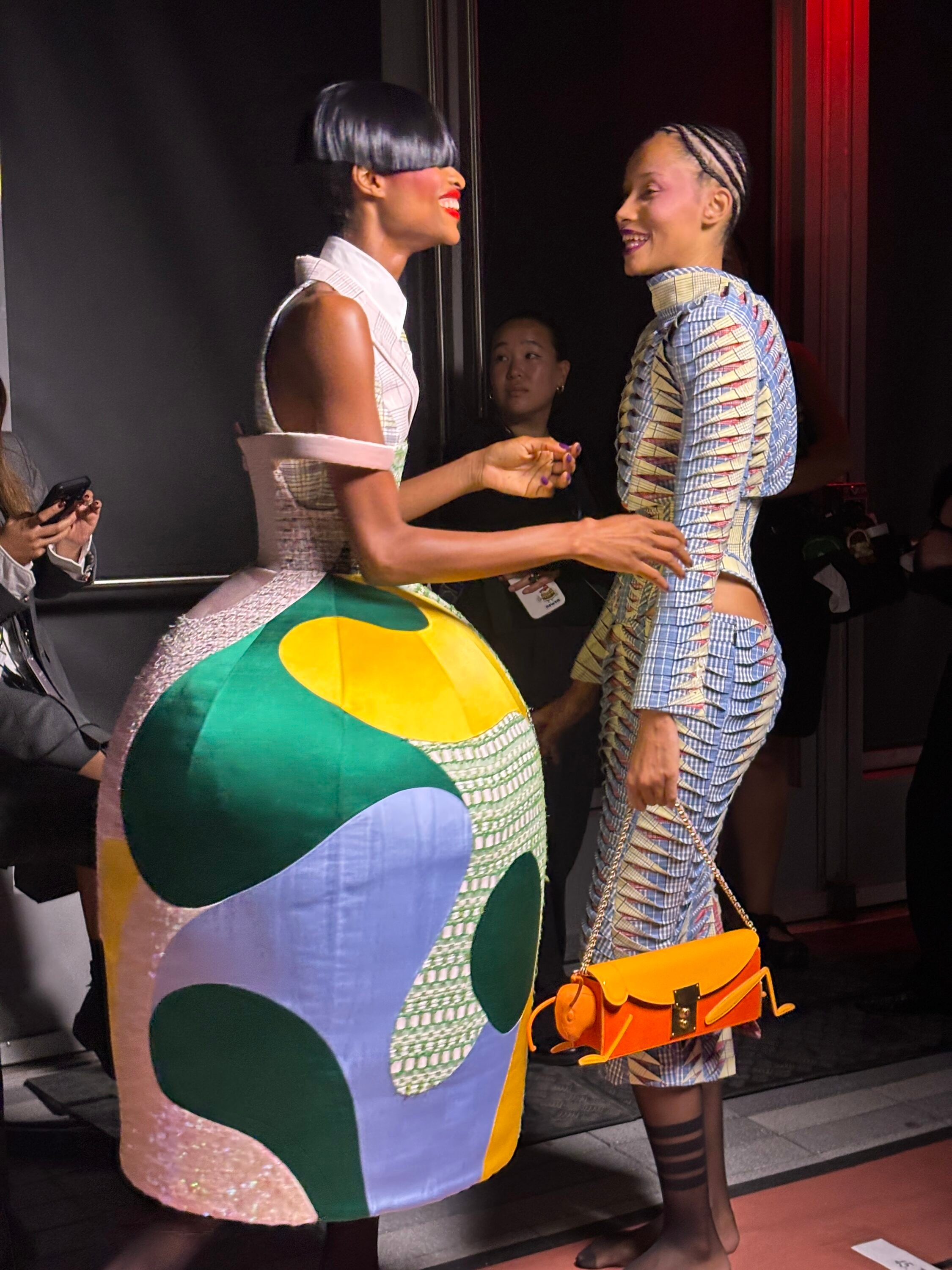
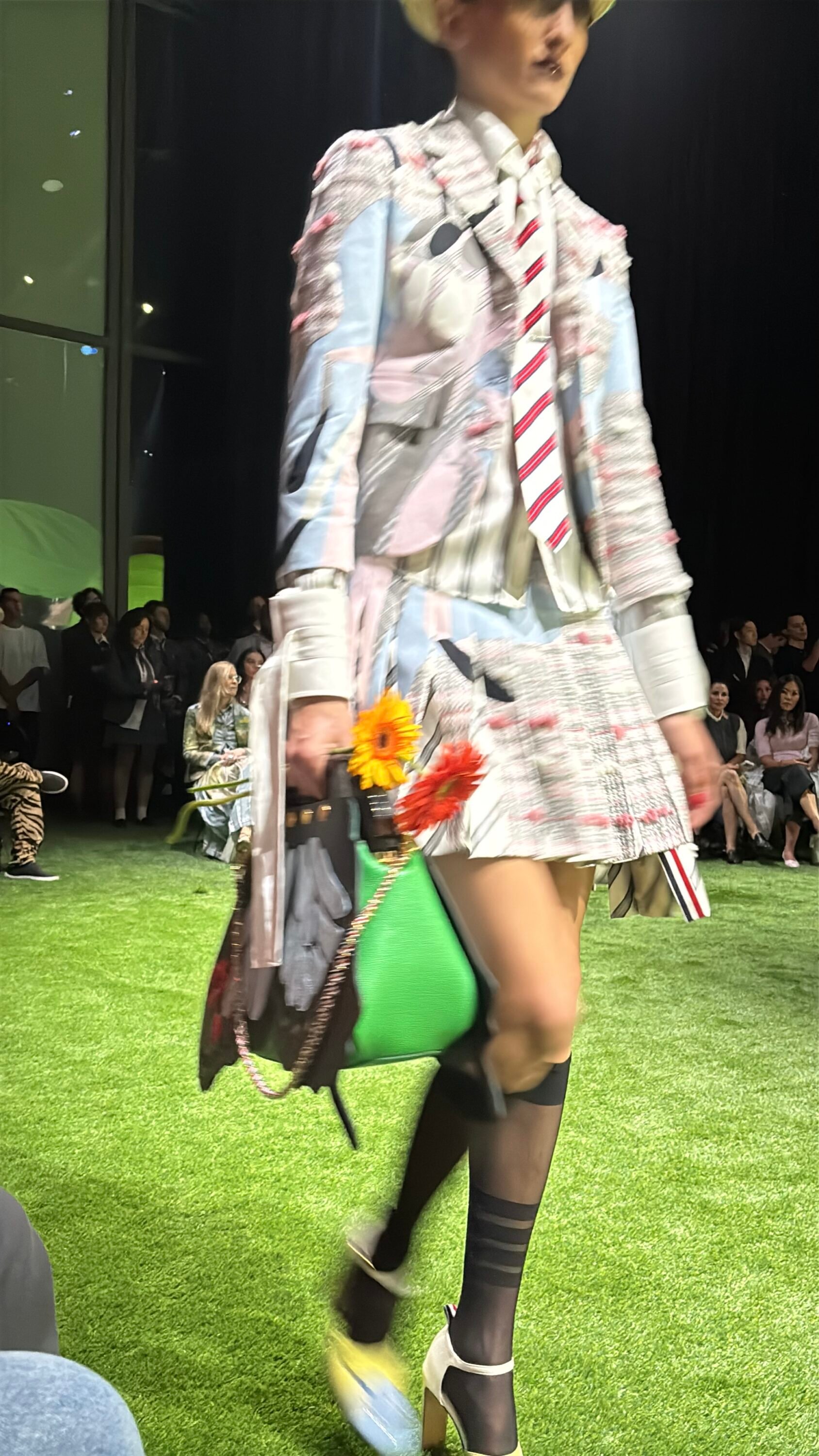
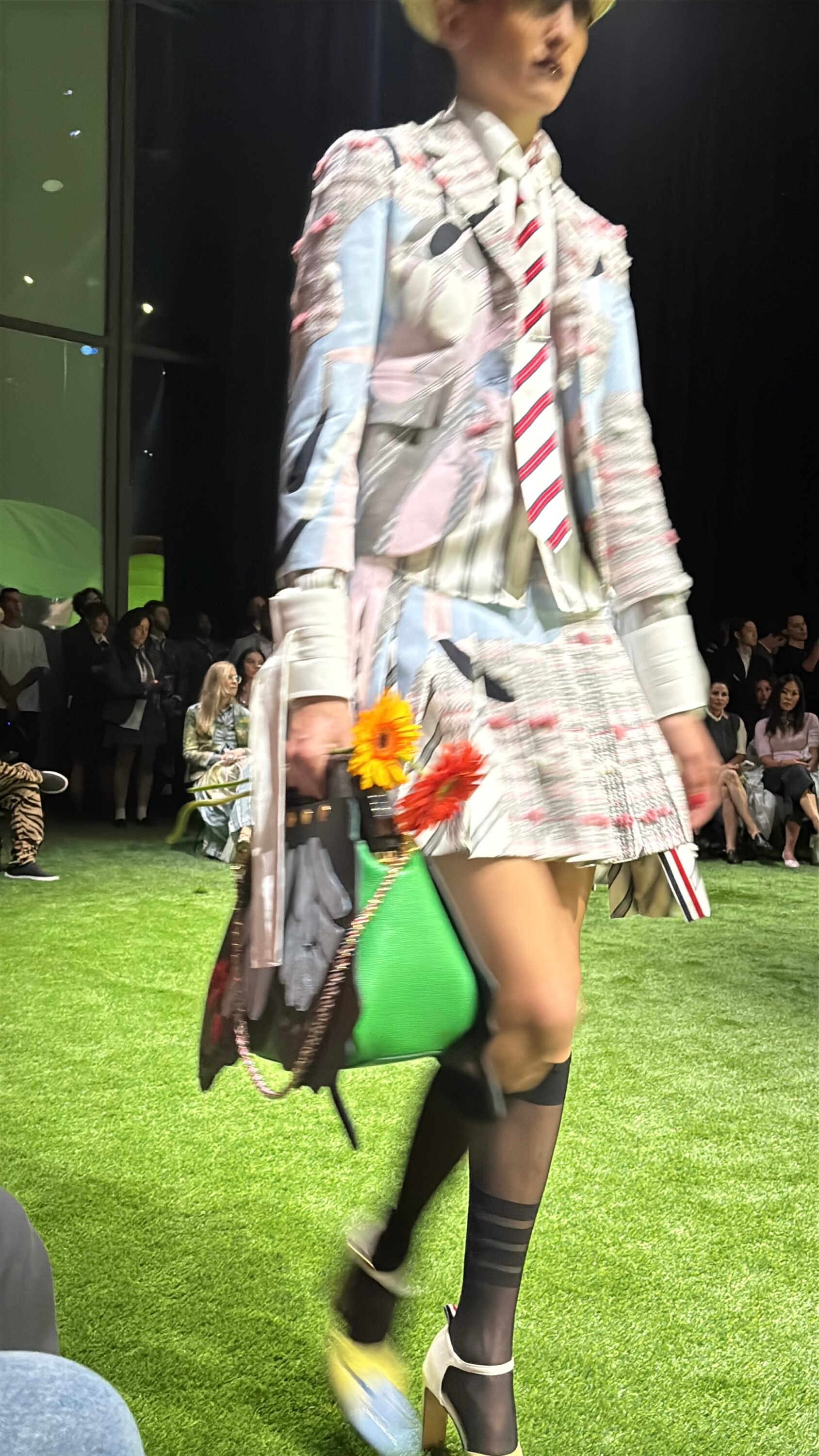
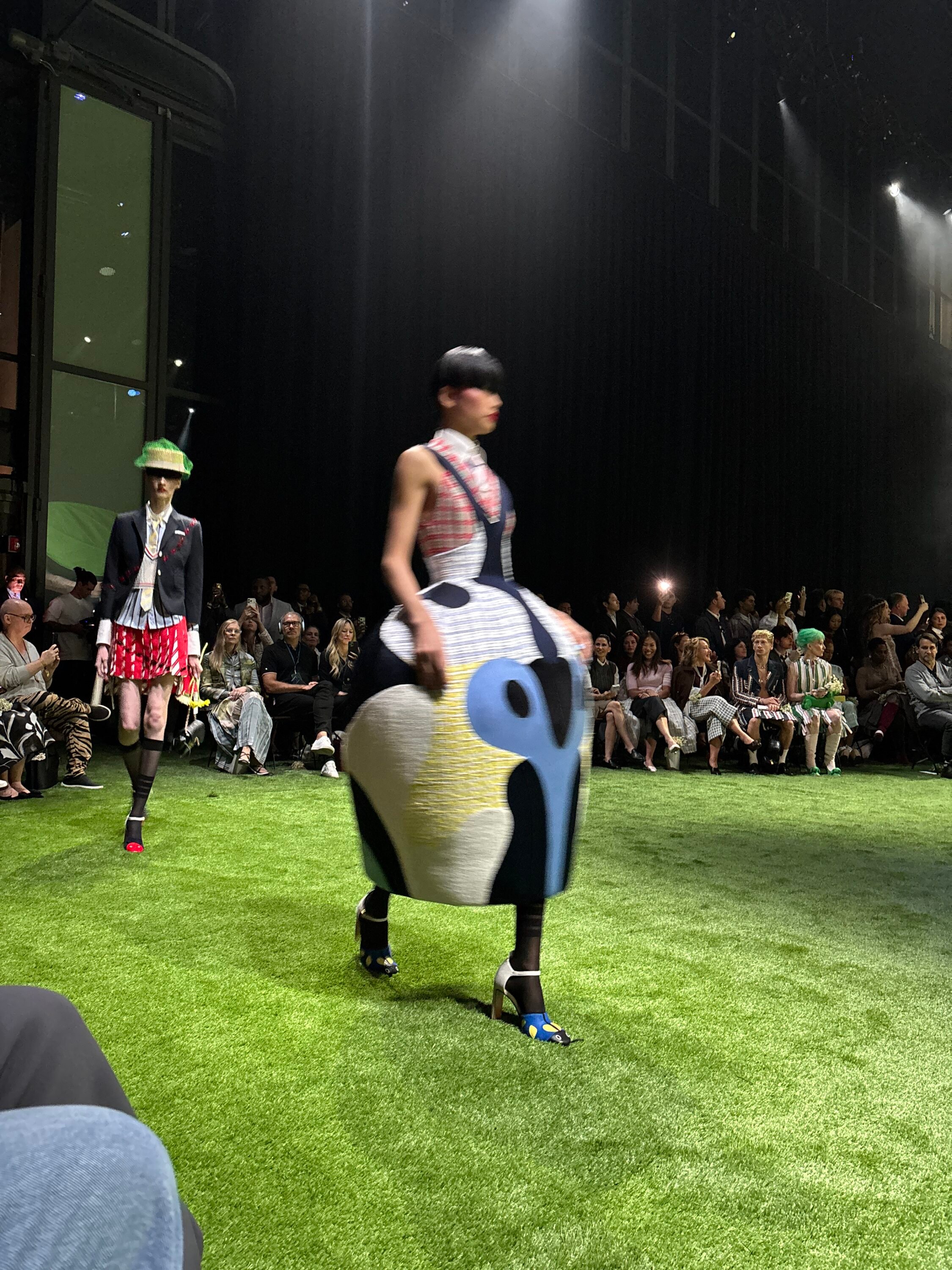
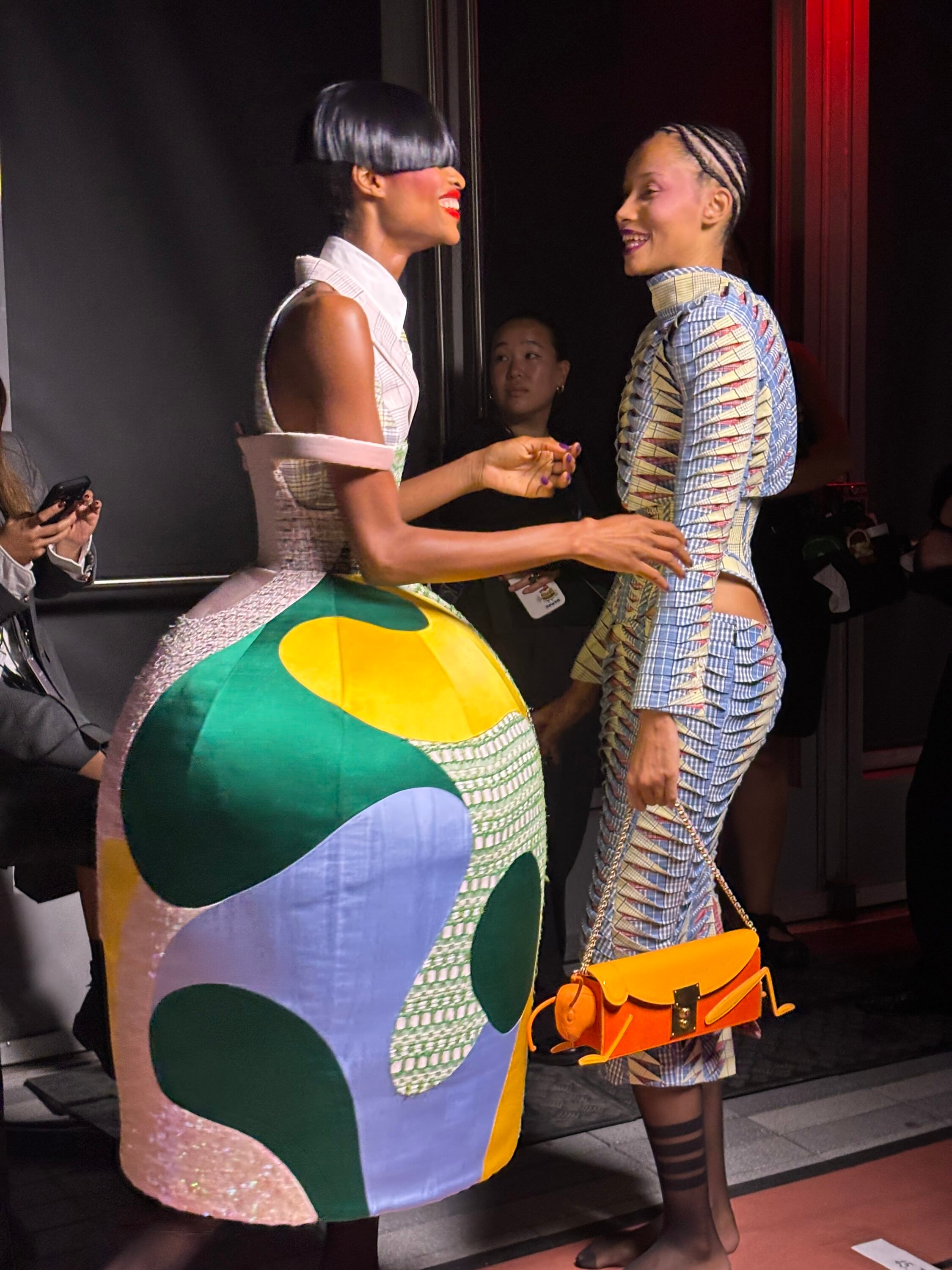
Thom Browne concluded the week with an enormous cocoon structure, animated caterpillars, and comprehensive theatrical presentation. Luke Meagher of Haute Le Mode offered a straightforward response when I questioned NYFW's contemporary relevance: "Why shouldn't she? A commercial juggernaut, Miss Girl."
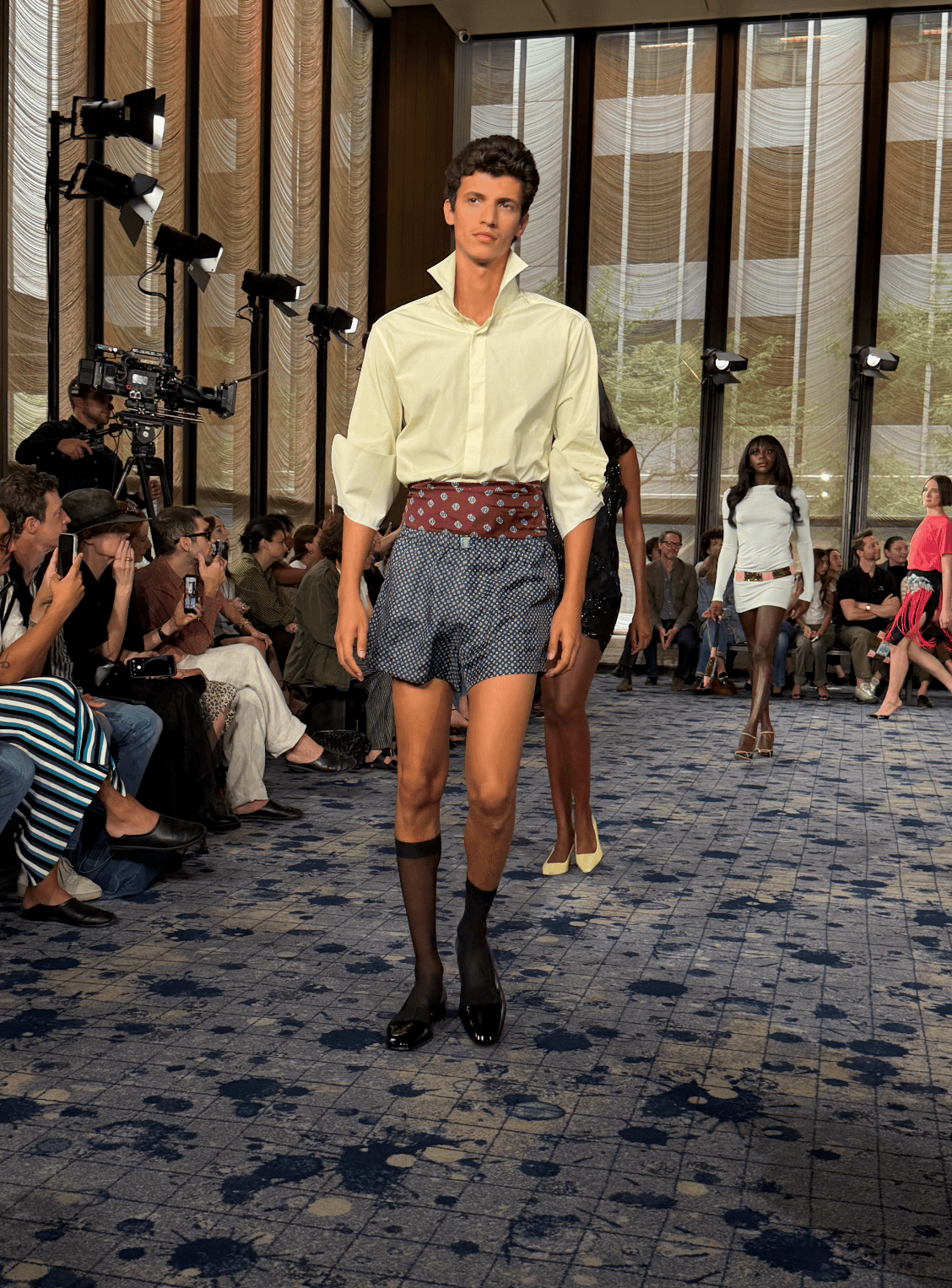
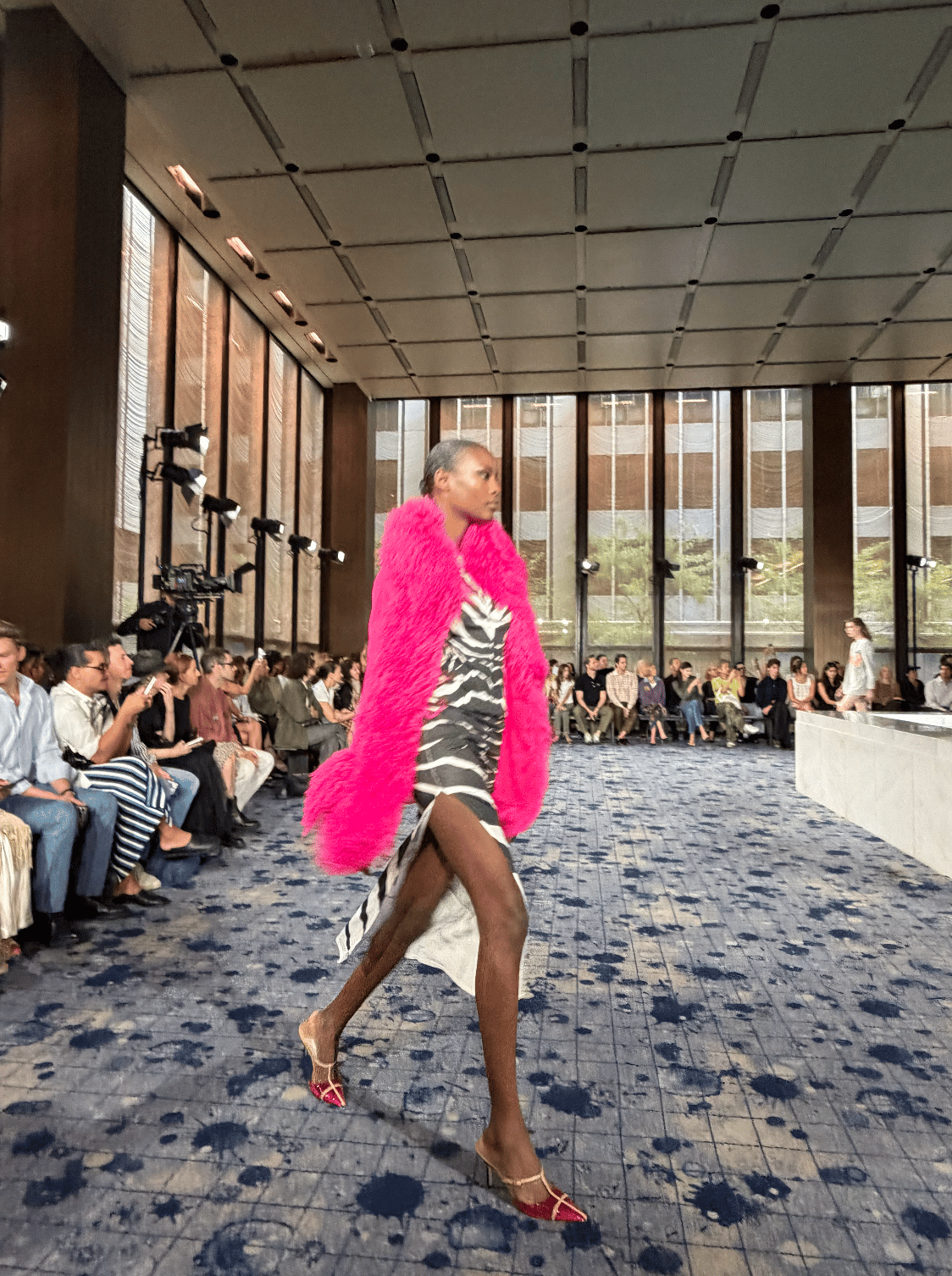
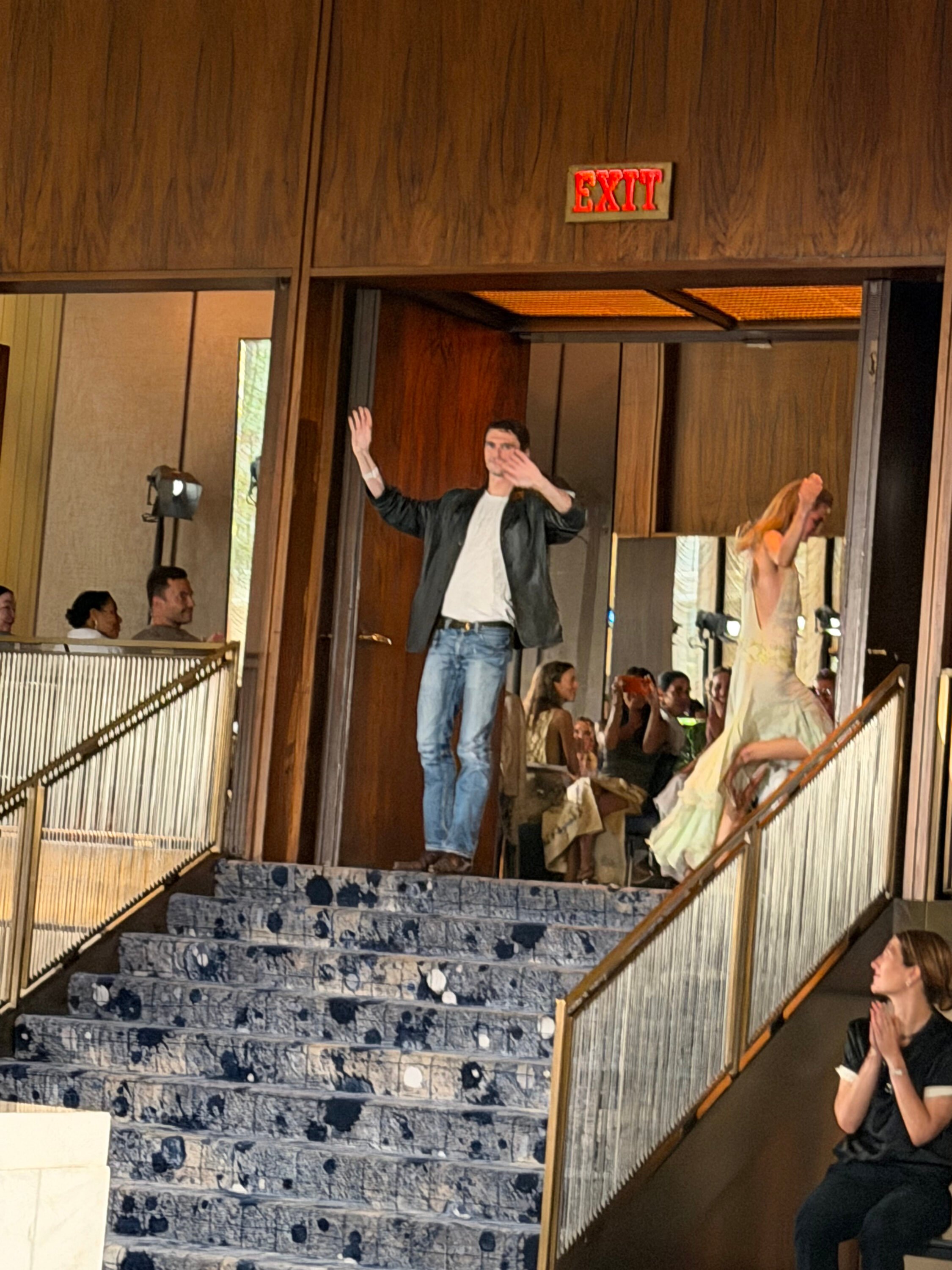
The excitement extended beyond the headlining presentations. Within longstanding fashion houses, significant developments occurred. Henry Zankov made his inaugural appearance at Diane von Furstenberg, revitalizing the house's runway presence while avoiding reverent treatment of its iconic design language. Rachel Scott accomplished the remarkably ambitious task of presenting both Proenza Schouler and Diotima during the same week. Her latest Proenza collection demonstrated greater liberation and assurance, executed with considerable style, while Diotima retained its distinctive authorial voice. New York excels at creating room for emerging talent. Vanity Fair's José Criales-Unzueta noted that when established designers stepped back from the week following the pandemic, they inadvertently opened space for younger designers to occupy central positions at NYFW. While some eventually transition to Paris—Vacquera being the prime illustration—this doesn't diminish New York's role in their development. According to José, "Willy would not be in Paris, and would not be Willy if he didn't have New York."
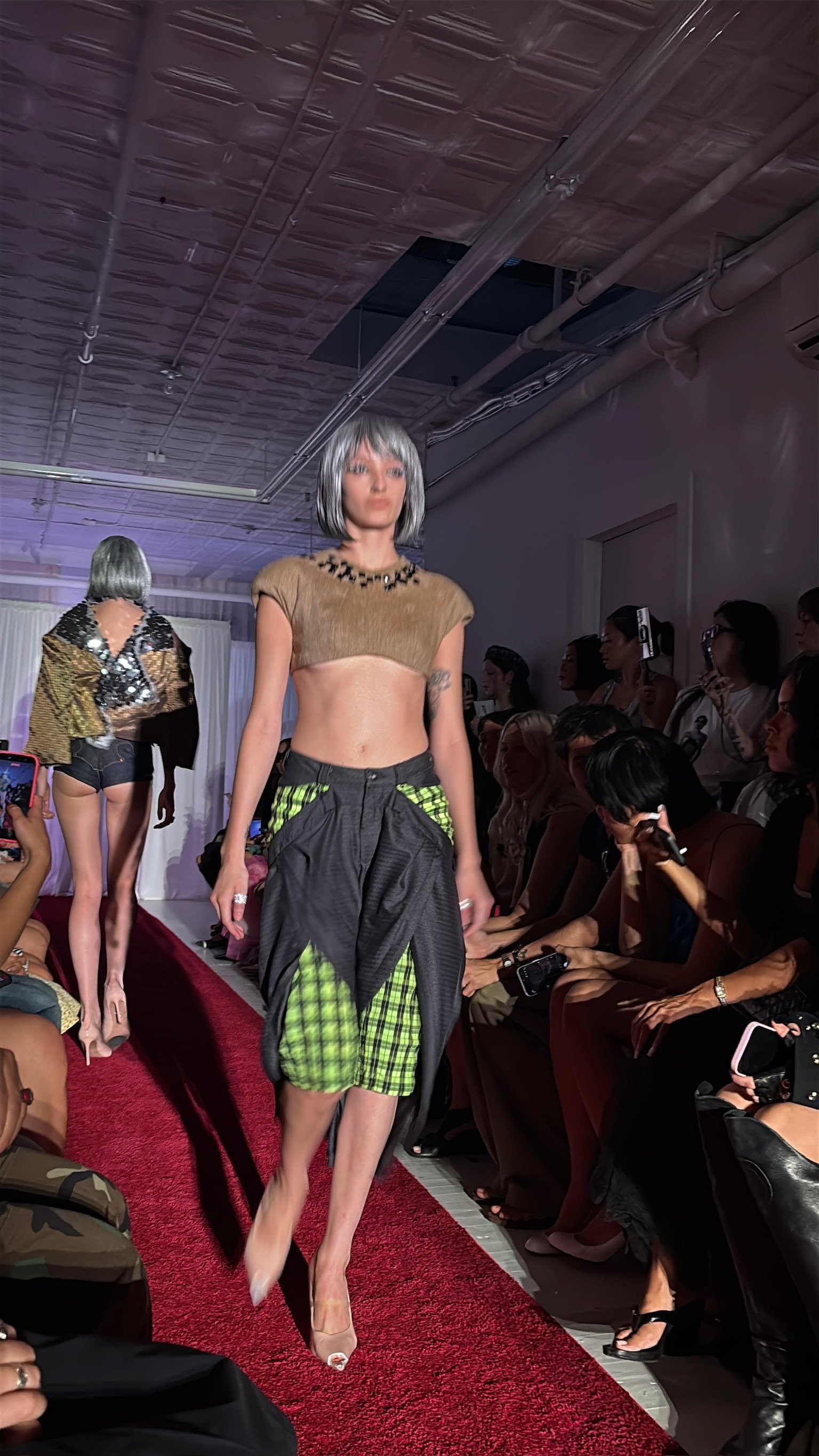
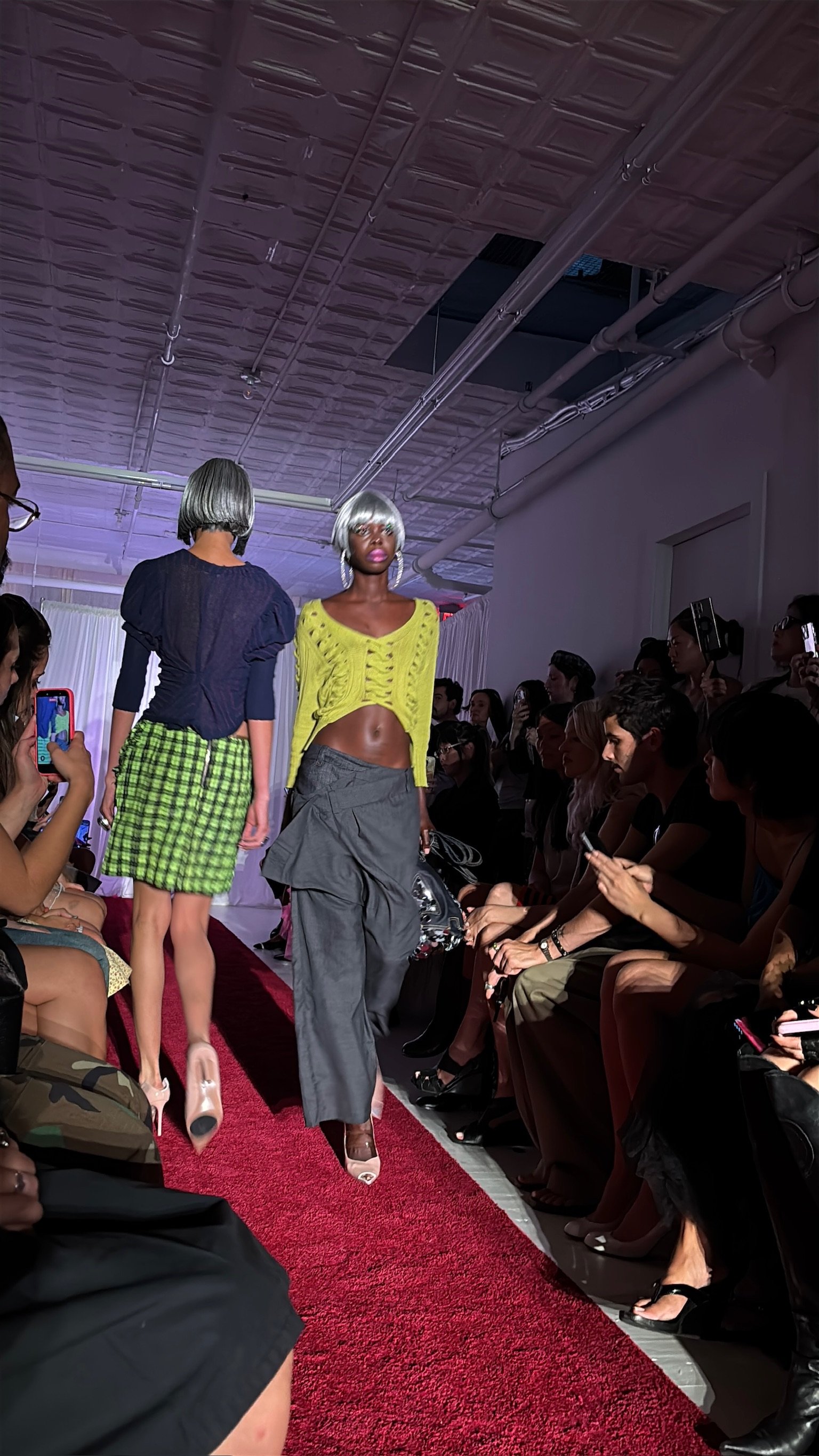
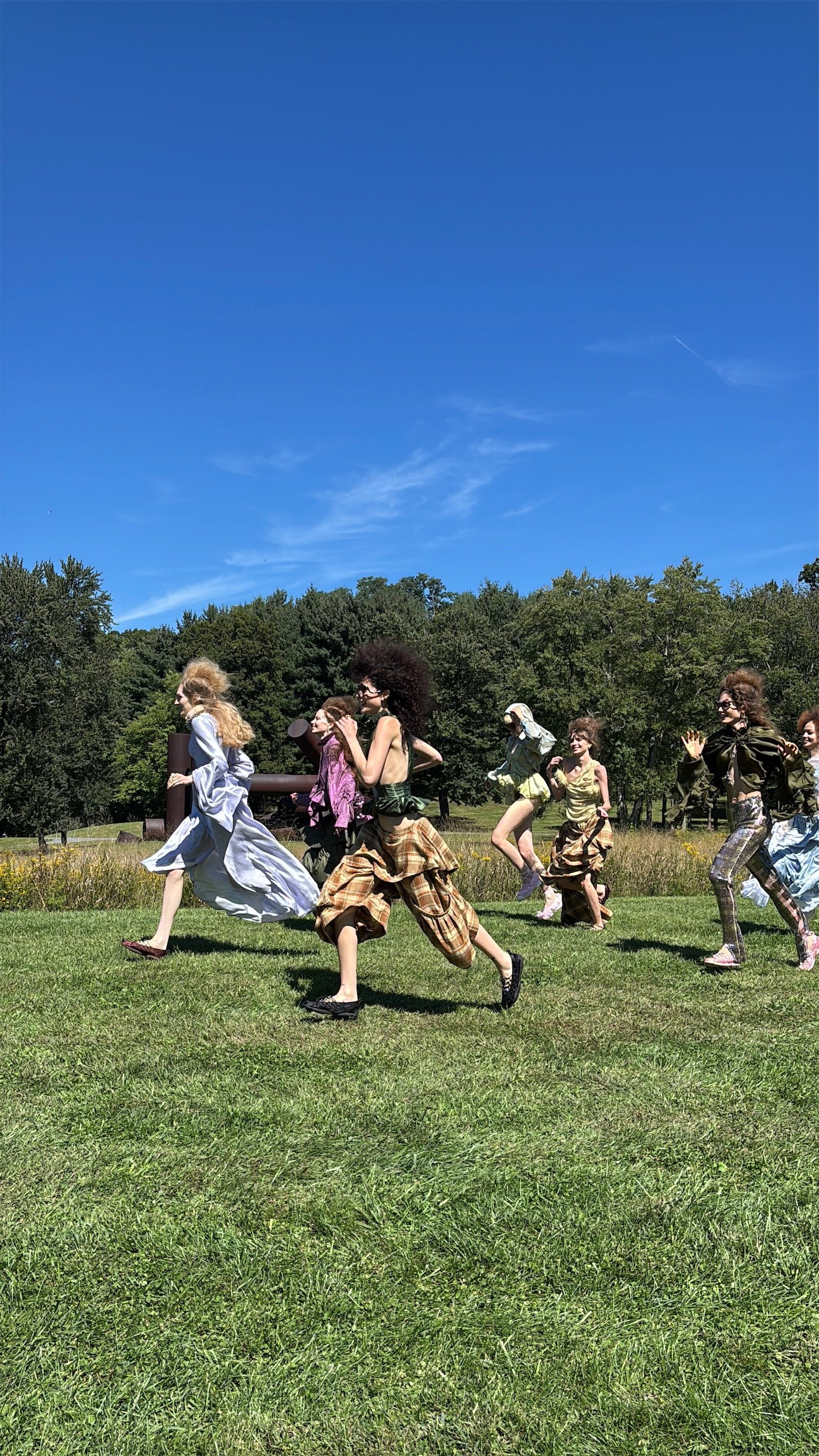
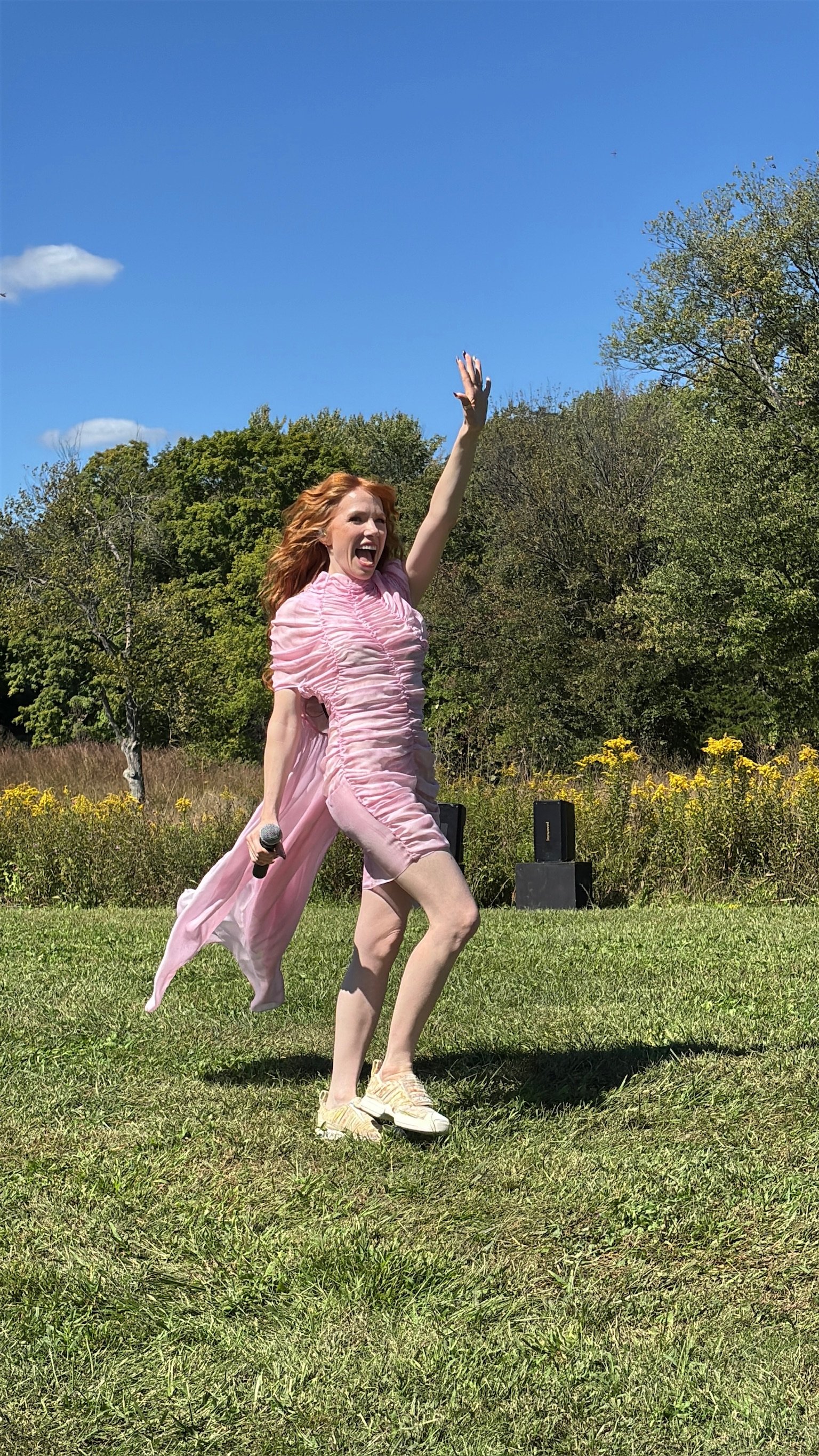
However, the most engaging element of NYFW isn't necessarily defense against competing fashion capitals. Writer Taylore Scarabelli approached the conversation differently: "I'd be hesitant to say that New York Fashion Week matters more or less than the rest at a time when capital-F Fashion—by which I mean the clothes produced by and for the one percent—is less culturally defining than ever. That being said, I'm here for the peacockers and the off-calendar brands." This perspective resonates. The New York that captivated me wasn't necessarily the city orchestrating the largest spectacle, but rather the version directing attendees across neighborhoods, up stairwells, into residential spaces or, in Collina Strada's situation, all the way to Storm King (I remain uncertain of its location), where Carly Rae Jepsen performed and a margarita fountain compensated for the journey. Miss Claire Sullivan commemorated five years with go-go dancers and Ellie the Elephant; Kai Cenat, recognized as the world's foremost Twitch streamer, made his runway entrance with his emerging label Vivet; Luar commandeered the Unisphere in Queens; and Lii's Zane Li, having recently captured the Karl Lagerfeld Prize at the LVMH Prize competition, unveiled one of the week's most memorable collections, distinguished by its unconventional coloration and athletic precision.
Conner Ives marked his New York debut at The Grill after years of London presentations. "Returning to NY was always my intention," he shared, noting that observers frequently expressed surprise upon learning his New York origins. "I felt I had to correct the narrative." Elsewhere, Sandy Liang infused her characteristic downtown aesthetic with sportswear elements, while Zoe Gustavia Anna Whalen and SC103 advocated for garments retaining obvious traces of human craftsmanship. Emily Dawn Long bypassed conventional runway presentation entirely in favor of The Crack of Dawn, a genuinely excellent fashion film—a category rarer than it should be.
Steff Yotka, who will assume the editor-in-chief position, articulated it most effectively: "NYFW matters because New Yorkers have the best humor, grit, glamour, and spunk. If you don't feel that, you're just going to the wrong shows." What other fashion week permits Ralph Lauren to coexist with handcrafted denim presented in somebody's apartment? AM